LLMsai
OpenAI Appoints Uday Ruddarraju as CTO of Compute to Scale Infrastructure
The former xAI infrastructure leader will oversee the expansion of data center capacity and hardware integration to support frontier model training.
5 min read
The former xAI infrastructure leader will oversee the expansion of data center capacity and hardware integration to support frontier model training.

OpenAI has elevated Uday Ruddarraju to the position of Chief Technology Officer of Compute, a strategic appointment intended to accelerate the development of large-scale distributed systems. As reported by the Hindustan Times, this leadership transition follows Ruddarraju’s tenure at the organization, where he focused on the integration of compute, network, and storage architectures required for training frontier models like GPT-5.6.
Ruddarraju’s professional trajectory highlights a deep specialization in high-performance computing environments. After completing his undergraduate studies in computer science at the Chaitanya Bharathi Institute of Technology in Hyderabad, he gained early experience through an internship at Amazon Web Services. His subsequent academic training included a Master of Science in Computer Science from the University of Minnesota, providing the technical foundation for his later work in large-scale systems engineering.
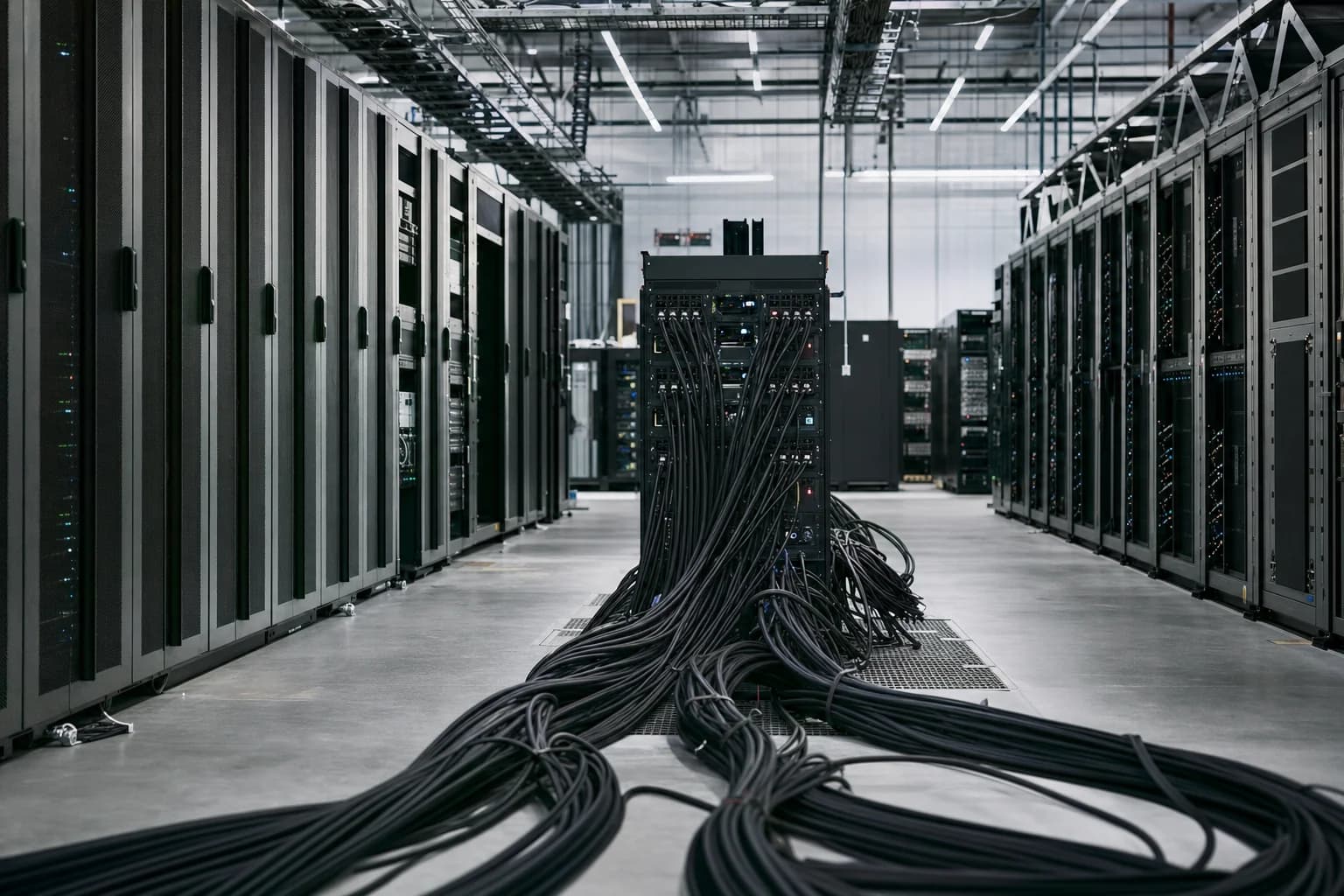
Before joining OpenAI in 2025, Ruddarraju held significant engineering leadership roles at eBay and Robinhood. His transition from Elon Musk’s xAI, where he served as Head of Infrastructure Engineering, marked a significant movement of specialized talent between major AI labs. During his time at xAI, he contributed to the development of the Colossus cluster, an experience he credited with providing insight into the execution of large-scale hardware deployments.
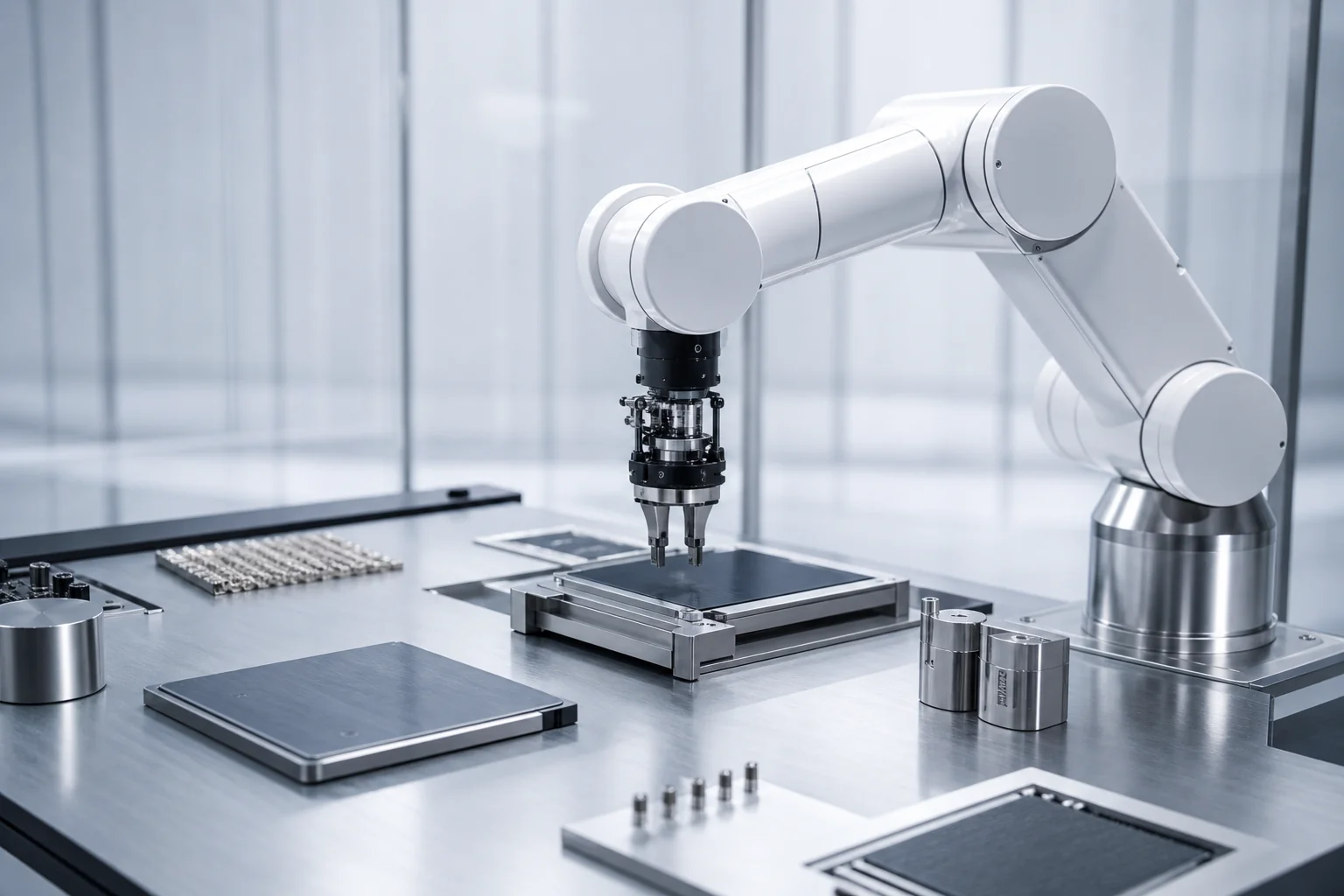
The role of CTO of Compute encompasses a broad scope of responsibilities, ranging from hardware procurement to the physical construction of data centers. Ruddarraju’s mandate involves managing the civil, mechanical, and electrical engineering requirements necessary to support the massive power and cooling demands of modern AI training clusters. This expansion is essential for maintaining the computational throughput required to push the boundaries of current model architectures.
Ruddarraju emphasized that the current roadmap prioritizes the creation of a massive compute footprint to ensure frontier AI capabilities are accessible across diverse workflows. The organization is actively recruiting engineers to address the complexities of the stack, focusing on the intersection of software efficiency and hardware manufacturing. This vertical integration is a critical component of the strategy to reduce latency and improve the reliability of training runs.
The appointment underscores the increasing importance of infrastructure optimization in the race to develop more capable machine learning systems. As training requirements for frontier models continue to scale, the ability to manage the underlying hardware and network fabric becomes a primary determinant of success. Ruddarraju’s background in both cloud infrastructure and specialized AI clusters positions him to oversee the technical challenges of this scaling phase.
The shift toward dedicated compute leadership reflects a broader industry trend where the bottleneck for AI progress is increasingly defined by hardware availability and data center efficiency. By centralizing the management of compute resources, OpenAI aims to streamline the development cycle for its upcoming model iterations. The success of this initiative will likely depend on the ability to synchronize hardware deployment with the evolving requirements of deep learning training algorithms.
Future milestones for the compute team will involve the deployment of next-generation hardware configurations and the optimization of distributed training protocols. Stakeholders are monitoring how these infrastructure investments will influence the training timelines and performance benchmarks of future models. The focus remains on achieving the necessary capacity to sustain the computational demands of increasingly complex neural network architectures.
The technical demands of modern machine learning extend far beyond simple GPU counts, requiring a sophisticated orchestration of power delivery and thermal management. Ruddarraju’s new role will likely involve navigating the supply chain constraints that currently limit the rapid deployment of high-density server racks. His experience with the Colossus project suggests a focus on rapid, large-scale execution that will be vital for maintaining the firm’s ability to iterate on model weights at a higher frequency than its peers.
The successful integration of hardware and software remains the central challenge for large-scale model training. By aligning the physical infrastructure with the specific requirements of distributed training, the engineering team can minimize idle cycles and maximize the utilization of expensive silicon. This holistic approach to system design is essential for the continued scaling of large language models in an environment where hardware procurement remains a significant constraint.