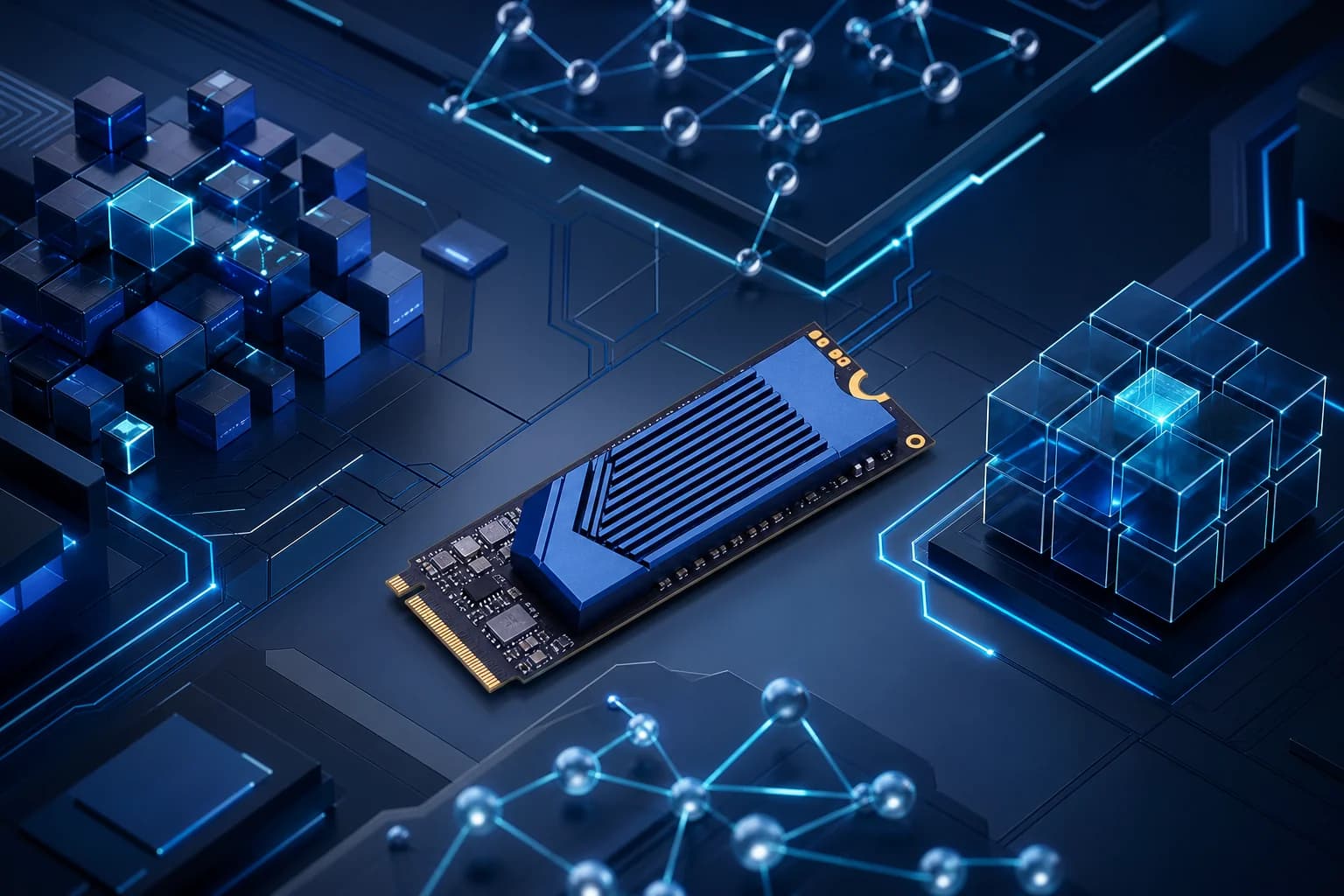
Forlinx, an NXP Gold Partner, has introduced the FAI-ARA240-M, a discrete M.2 AI accelerator designed to augment the inference capabilities of industrial edge systems. Announced on October 12, 2026, the hardware leverages the Ara240 neural processing unit to provide 40 eTOPS of additional compute capacity for resource-intensive workloads, according to the official product release from Forlinx.
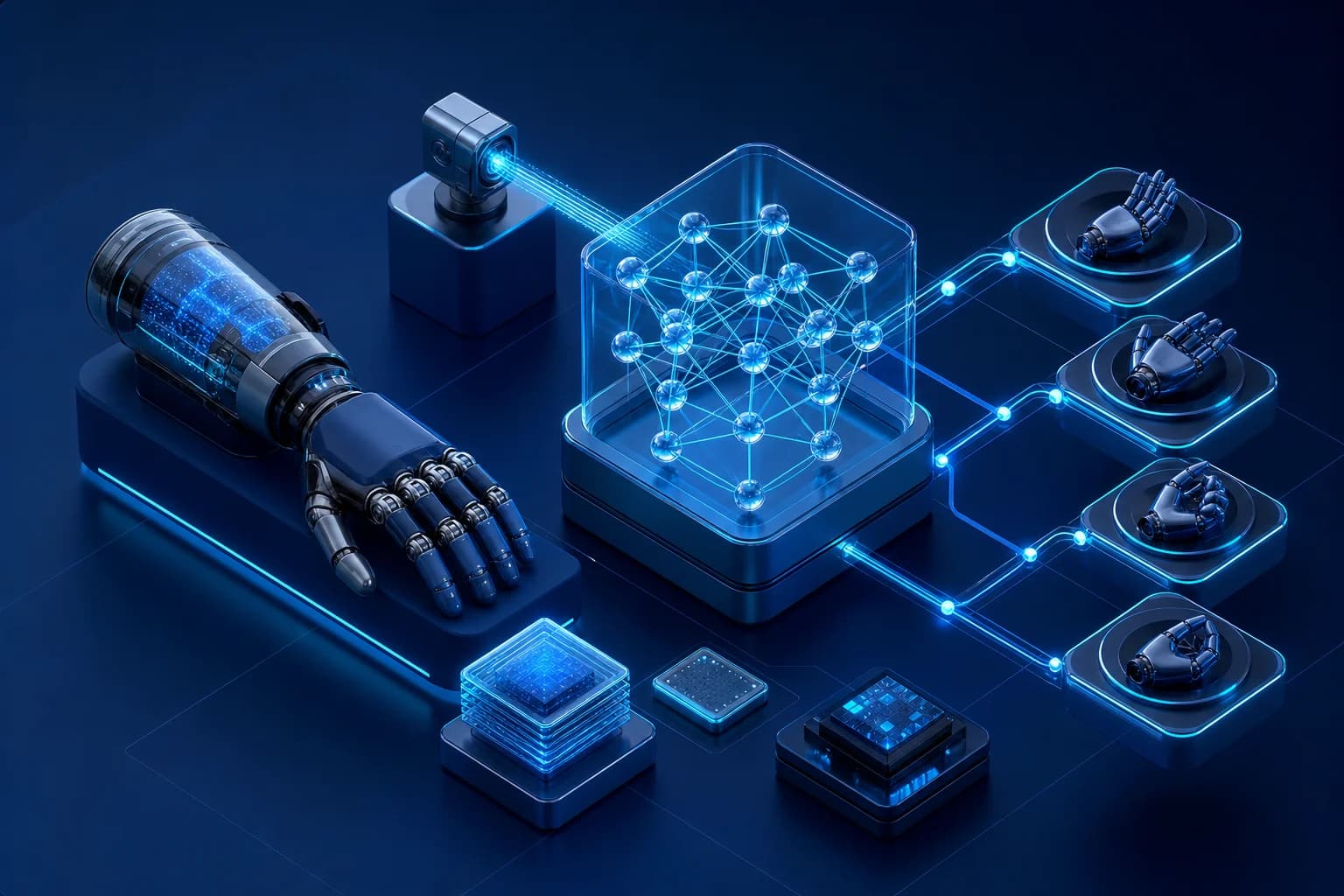
The architecture addresses the limitations of single-sensor data processing by facilitating the fusion of high-bandwidth streams, including text, images, and video. By pairing the Ara240 with the 8 eTOPS eIQ Neutron NPU integrated into the NXP i.MX 95 processor, the system creates a distributed processing environment. This configuration allows the host processor to maintain availability for primary control tasks while the accelerator manages complex inference operations.
The module is available with either 8GB or 16GB of LPDDR4 memory, which supports the execution of larger models directly on the edge device. This memory allocation is intended to handle high-throughput tasks like multi-stream intelligent video analytics and large-scale industrial inspection. The hardware utilizes a PCIe Gen4 interface via an M.2 M-Key 2280 form factor to ensure compatibility with existing NXP platforms such as the i.MX 8M Plus.
Software integration relies on the NXP eIQ AI software environment, which provides support for frameworks including TensorFlow, PyTorch, and ONNX. Developers can implement models using various precision formats, specifically INT4, INT8, and mixed precision, to optimize performance based on specific model requirements. The inclusion of a dedicated SDK simplifies the deployment of complex architectures like YOLOv8 for multi-stream object detection.
Reliability in industrial environments is addressed through the implementation of secure boot and root-of-trust mechanisms. The hardware is rated for industrial temperature ranges and carries a 10–15 year product longevity commitment. These features are designed to meet the rigorous uptime requirements of sectors such as autonomous robotics and smart transportation.
The integration of the Ara240 SDK allows for the rapid deployment of pre-trained models without the need for extensive custom kernel development. By abstracting the hardware-specific optimizations, the eIQ environment enables engineers to focus on model accuracy and throughput metrics rather than low-level driver management. This software stack is critical for maintaining consistent performance across diverse industrial deployments.
The shift toward discrete AI acceleration at the edge represents a strategic movement to reduce reliance on cloud-based inference for safety-critical applications. By offloading compute-heavy tasks to the FAI-ARA240-M, engineers can achieve real-time latency targets that are often unattainable when transmitting data to remote servers. This hardware-software synergy allows for the local execution of complex models, significantly reducing the round-trip time required for decision-making in autonomous systems.
The practical application of this architecture is demonstrated through the OK-MX9596-C development board, which serves as a testbed for multi-stream video analysis. By utilizing the GStreamer package, the system manages simultaneous object detection streams, illustrating the throughput potential of the combined NPU architecture. This modular approach allows for the scaling of AI performance without necessitating a complete redesign of the underlying host system.
System architects must consider the thermal and power constraints when integrating high-performance accelerators into existing enclosures. The FAI-ARA240-M provides a pathway to increase compute density, yet the physical footprint of the M.2 module requires careful planning for heat dissipation in sealed industrial environments. Proper thermal management ensures that the NPU maintains peak performance during sustained, high-load inference tasks.
Future development cycles will likely focus on the optimization of larger language models for this specific hardware configuration. As industrial requirements for autonomous perception continue to increase, the ability to run sophisticated models locally remains a critical bottleneck for system architects. The integration of the Ara240 NPU provides a viable path for increasing compute density within the constraints of power-efficient industrial platforms.