NVIDIA unveiled a comprehensive, integrated computational architecture on September 10, 2026, designed to standardize the development and deployment of autonomous robotaxi fleets. This framework combines DGX-based training systems, Omniverse-driven simulation environments, and the DRIVE Hyperion 10 in-vehicle compute platform to resolve the specific data throughput and processing latency constraints currently limiting commercial scalability.
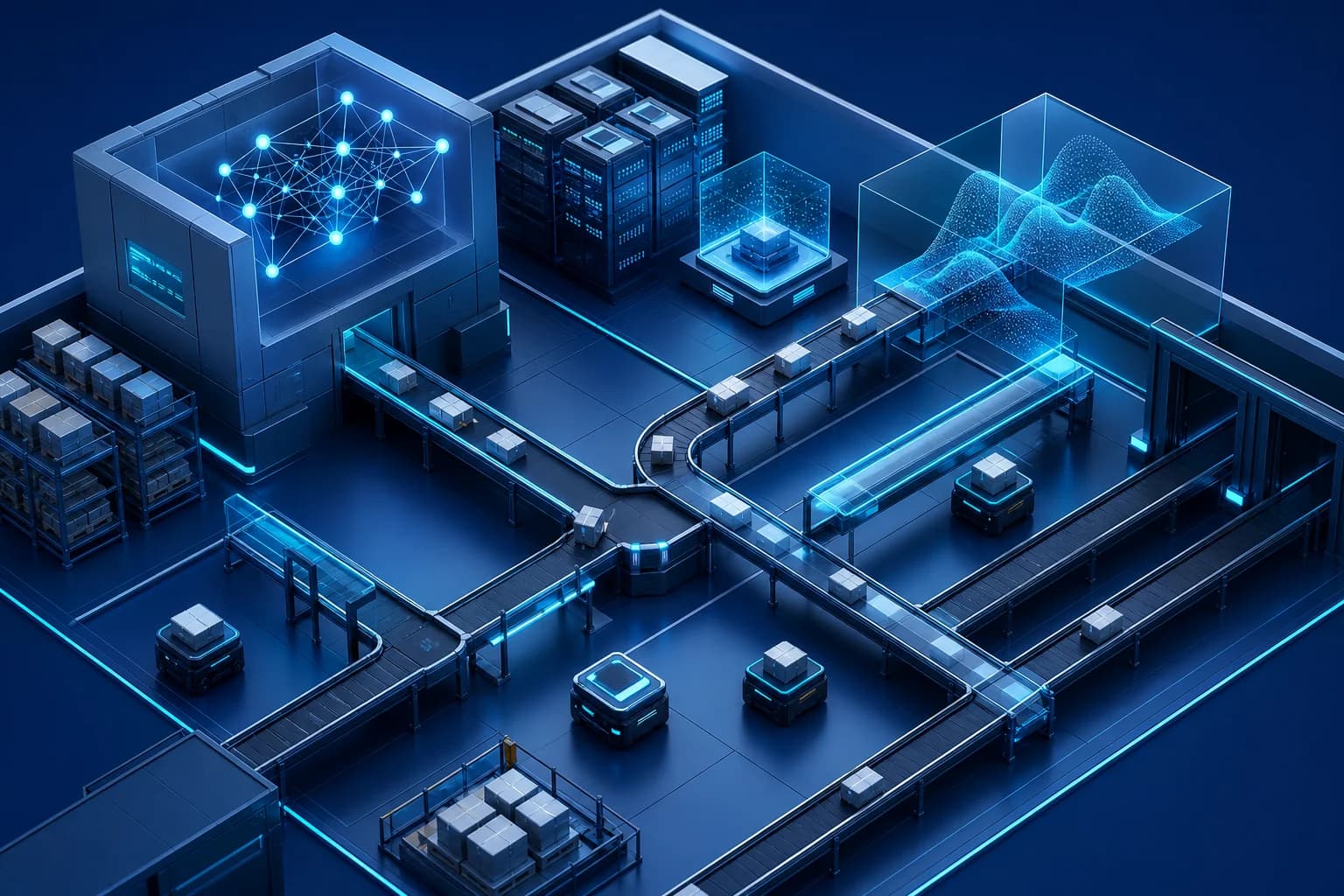
Model development relies on the NVIDIA DGX infrastructure, which facilitates the ingestion and processing of massive, high-dimensional datasets generated by active vehicle fleets. These data pipelines convert raw telemetry into refined driving models, which are then validated within the AlpaSim simulation framework to ensure safety and performance consistency across diverse operational domains.
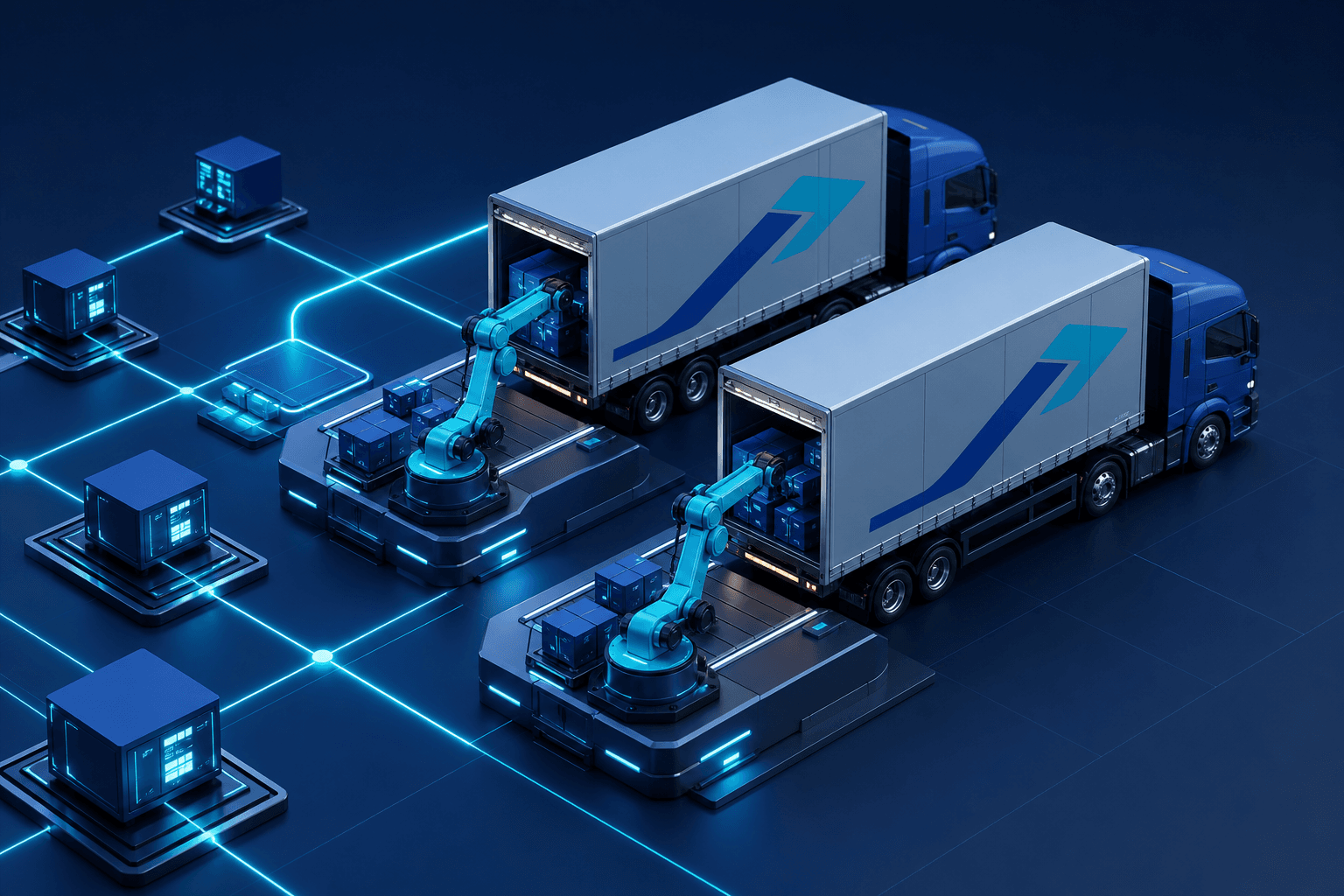
The DRIVE Hyperion 10 reference architecture serves as the hardware foundation for in-vehicle processing, utilizing dual DRIVE AGX Thor system-on-a-chip units. This hardware configuration supports a dense sensor suite comprising 14 cameras, nine radars, three lidars, and 12 ultrasonic sensors to provide high-fidelity environmental perception and real-time sensor fusion.
The DRIVE AGX Thor platform achieves high-performance sensor fusion by utilizing a centralized compute architecture that supports massive memory bandwidth, allowing for the simultaneous processing of multi-modal data streams without significant jitter. By leveraging high-speed interconnects, the system ensures that raw sensor data is synchronized and processed within the millisecond windows required for safe navigation in dense urban environments.
NVIDIA has strategically positioned its technology as a unified compute platform to support a diverse range of industry participants, including Waymo, Tesla, Mercedes-Benz, and Hyundai. By providing a modular stack, the company enables operators to integrate specific components—such as the Alpamayo open reasoning vision-language-action models—without requiring a total overhaul of their proprietary software stacks.
The Alpamayo models utilize advanced vision-language-action architectures to translate complex environmental inputs into actionable driving commands, reducing the computational overhead typically associated with traditional rule-based autonomy. These models are designed to operate within the constraints of the DRIVE AGX Thor hardware, ensuring that inference latency remains within the safety-critical thresholds required for Level 4 autonomous operations.
Collaborative efforts are already underway, with Mercedes-Benz and Uber partnering to develop a robotaxi ecosystem built on the DRIVE Hyperion platform and full-stack DRIVE AV L4 software. Similar integrations are occurring across the industry, as companies like Wayve, Pony.ai, and Waabi adopt NVIDIA’s libraries and workflows to accelerate their respective development cycles.
The modularity of this ecosystem allows developers to adopt individual segments of the pipeline, such as simulation or training, while maintaining operational independence in fleet management and dispatch. This approach minimizes redundant engineering efforts across competing firms, effectively lowering the barrier to entry for complex autonomous mobility services.
Goldman Sachs Research estimates the global robotaxi market could reach $400 billion by 2035, though significant market uncertainty remains regarding the pace of adoption. Counterpoint Research offers a more conservative projection of $168 billion, emphasizing that the primary challenge for the industry now shifts from initial prototyping to the logistical and economic demands of large-scale fleet operations.
The reliance on a common infrastructure layer suggests a trend toward technical convergence in the underlying intelligence stack of autonomous vehicles. While operational expertise and regional market presence remain the primary differentiators for fleet operators, the computational foundation is increasingly dictated by NVIDIA’s standardized SDKs and hardware libraries.
This concentration of infrastructure ownership grants NVIDIA significant strategic leverage, mirroring its dominant role in the AI data center market. The long-term impact of this dependency depends on the extent to which developers integrate their proprietary algorithms with NVIDIA’s closed-source workflows, potentially increasing switching costs as fleets expand.
Future industry milestones will be defined by the transition from pilot programs to commercial fleets operating at scale across diverse regulatory environments. The efficacy of this unified compute model will be tested as operators attempt to maintain safe, reliable performance across thousands of vehicles in varying road conditions.