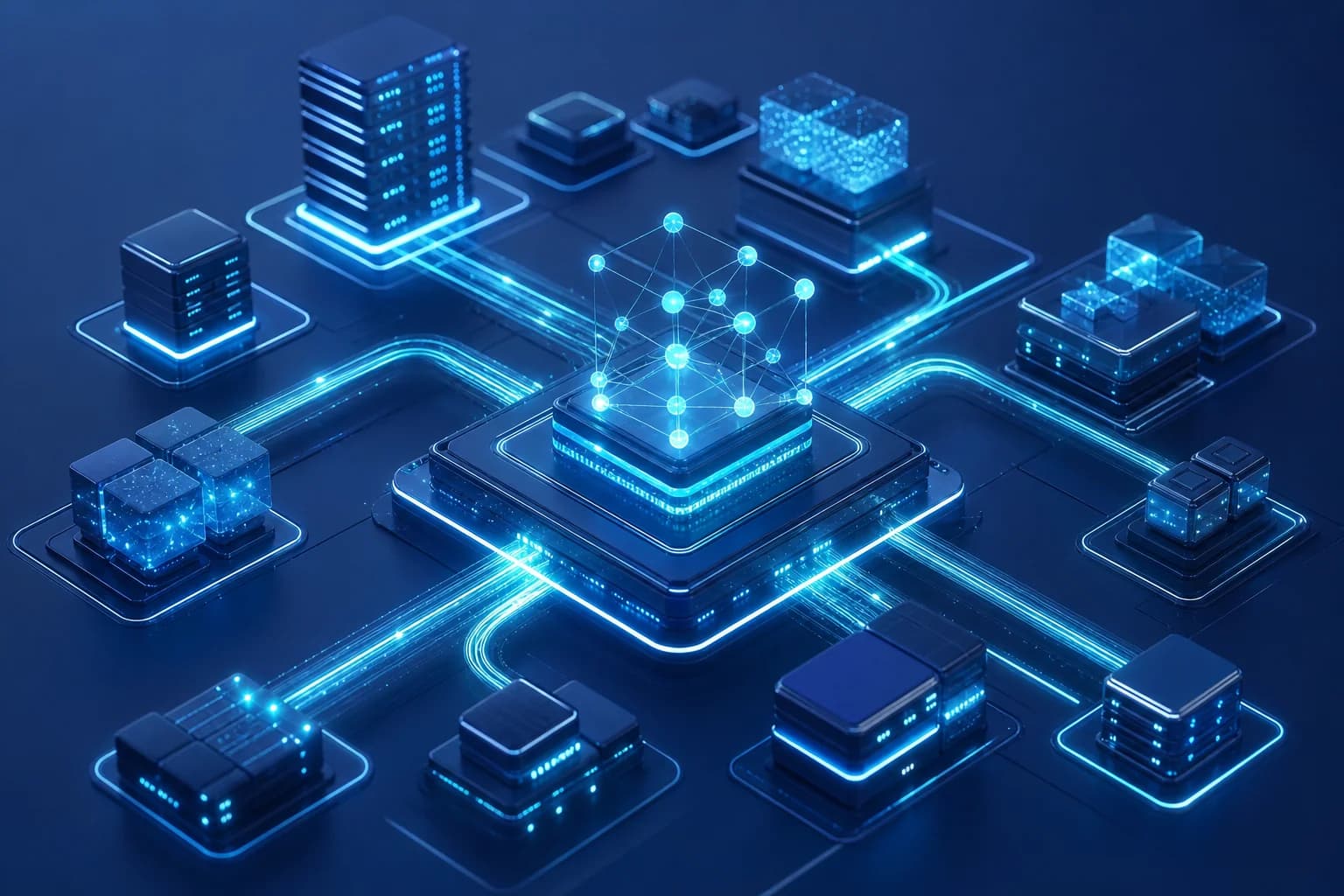
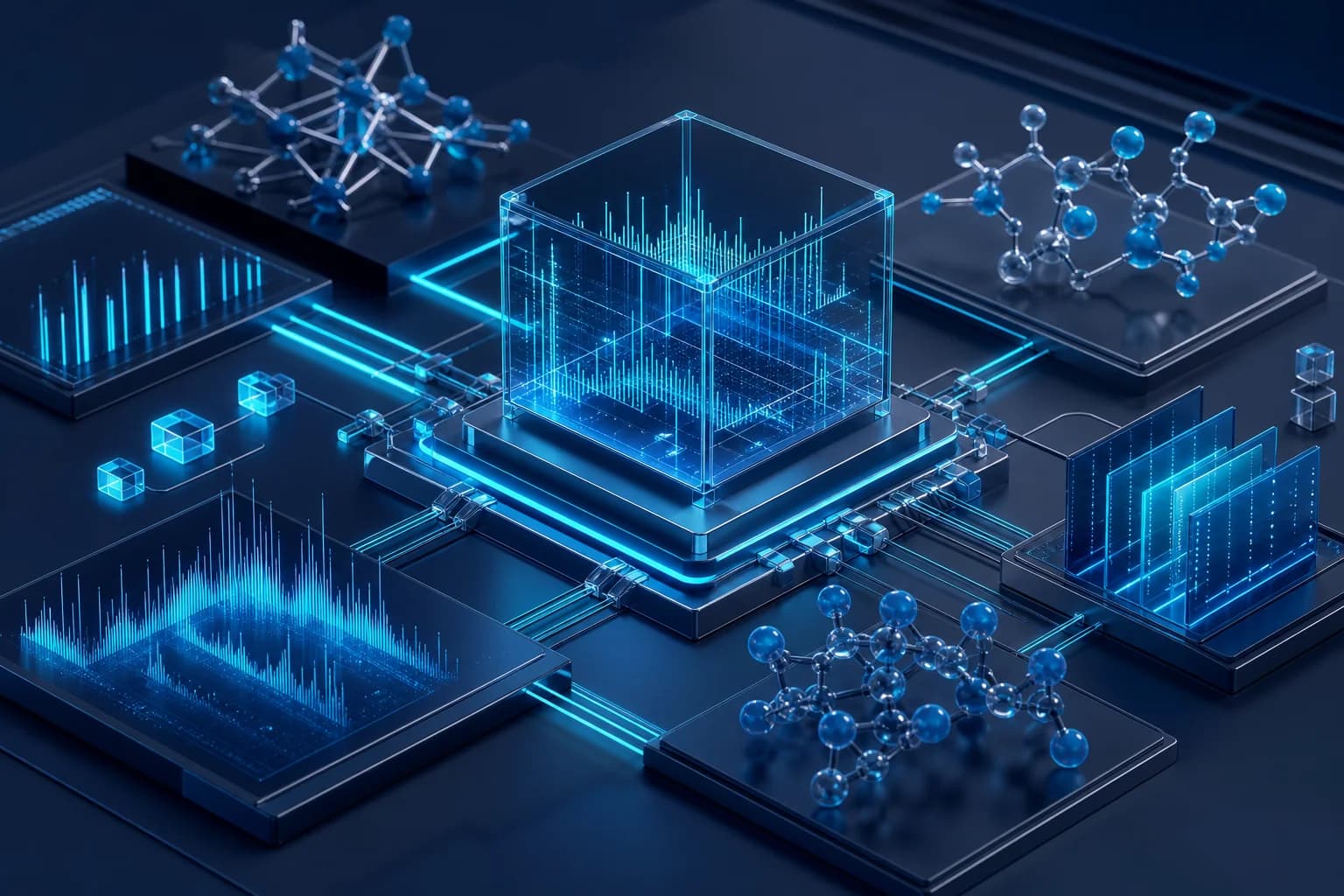
In an age where digital interaction dominates our lives, the way we communicate is evolving at an unprecedented pace. Natural Language Processing (NLP) tools are at the forefront of this transformation, serving as a bridge between humans and machines. These sophisticated algorithms analyze, understand, and generate human language, making communication smoother, faster, and more efficient.
The Rise of NLP
Natural Language Processing, a subfield of artificial intelligence, has been developing since the 1950s. Early attempts were simplistic, focusing on rule-based systems. However, with the advent of machine learning, particularly deep learning, NLP has experienced exponential growth. Models such as Google’s BERT and OpenAI’s GPT have redefined what machines can accomplish with language, allowing computers to interpret context, sentiment, and even cultural nuances.
According to a report by Gartner, the use of AI technologies including NLP is expected to enhance communication tools in organizations by 2025, improving overall productivity and efficiency. This shift is not just seismic for tech companies; it holds substantial implications for industries ranging from healthcare to finance, enabling seamless communication interfaces with users.
Transforming Businesses
Businesses today leverage NLP tools to enhance customer engagement. Chatbots equipped with NLP capabilities can handle inquiries in real-time, offering personalized service around the clock. This not only reduces operational costs but also enhances the customer experience. Companies like Zendesk have integrated NLP in their support systems, allowing customers to receive immediate assistance and information without human intervention.
Moreover, sentiment analysis tools have emerged as game-changers for marketers. By scrutinizing social media interactions and customer feedback, these tools enable brands to gauge public opinion and adjust their strategies accordingly. For instance, brands that utilized NLP insights during the pandemic were able to refine their messaging to resonate better with their audience’s changing sentiments and concerns.
Aiding Accessibility
NLP tools are also pivotal in making communication more accessible. Voice recognition technologies, powered by NLP, have revolutionized how individuals with disabilities interact with devices. For example, software like Dragon NaturallySpeaking allows users to compose documents and navigate their computers using voice commands, drastically improving accessibility and independence for those with physical limitations.
Additionally, automatic translation services exemplify how NLP democratizes information. Platforms like Google Translate have harnessed NLP to break down language barriers, enabling a global conversation. While not flawless, advancements in translation algorithms are continually improving, providing a crucial tool for international communication.
Enhancing Education
In the educational landscape, NLP tools facilitate personalized learning experiences. Intelligent tutoring systems can analyze a student’s interaction and adapt the curriculum in real time, offering tailored feedback that caters to individual learning speeds and styles. For instance, tools like Grammarly utilize NLP to assist students in enhancing their writing skills, making suggestions that improve grammar and style based on context.
Furthermore, language learning apps such as Duolingo employ NLP to assess pronunciation and provide instant feedback, allowing users to practice conversational skills in a safe environment. This approach not only promotes engagement but also enhances retention by allowing learners to focus on their specific challenges.
Addressing Ethical Concerns
Despite the numerous advantages, the rise of NLP tools is not without its challenges. Concerns regarding data privacy, bias in algorithms, and the potential for misuse are at the forefront of ongoing discussions. As NLP tools analyze vast amounts of data to draw conclusions, the risk of embedding societal biases into the algorithms remains a serious issue.
Organizations like AI Now Institute advocate for a more ethical approach to AI development, emphasizing transparency in algorithms and the necessity of diverse data sets to mitigate biases. Striking a balance between innovation and ethical responsibility will be crucial as NLP continues to evolve and integrate further into everyday life.
The Future of NLP in Communication
Looking ahead, the potential applications of NLP tools are boundless. As technology advances, we can expect even more sophisticated comprehensions of language, including emotional intelligence and adaptive learning capabilities. Future NLP models might not only understand the literal meaning but also grasp the underlying intentions and emotions, leading to more meaningful interactions between humans and machines.
Collaboration between technologists, linguists, and ethicists will be essential to navigate this landscape responsibly. By prioritizing user empowerment and ethical standards, we can harness the transformative potential of NLP tools, redefining communication in ways that enhance understanding, inclusivity, and creativity in the digital age.
Conclusion
In summary, Natural Language Processing tools are revolutionizing communication, reshaping how individuals and businesses interact in the digital landscape. From improving customer service and accessibility to enhancing educational experiences, the implications of NLP reach across various sectors. However, as we embrace these innovations, we must remain vigilant about ethical considerations, ensuring that our leap into a more connected future is both responsible and beneficial for all.