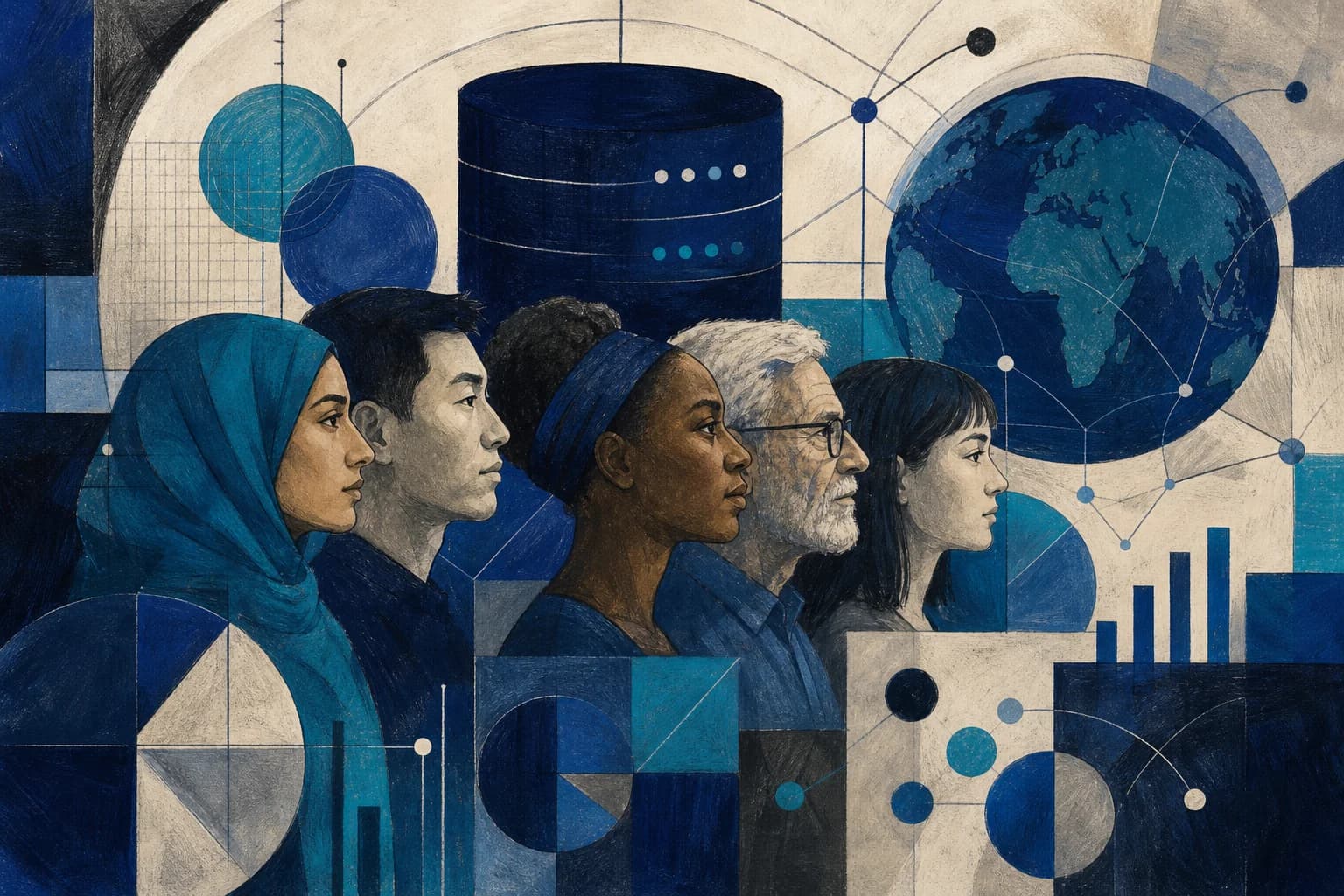
In an increasingly interconnected world driven by vast streams of information, traditional machine learning methods often face challenges in comprehending the intricacies of varied data forms. Enter multimodal machine learning (MML), a burgeoning field that leverages diverse data types—such as text, images, audio, and videos—to enhance AI’s decision-making capabilities. This innovative approach can revolutionize industries, from healthcare to entertainment, by harnessing the synergies between these different modalities.
The Concept of Multimodal Machine Learning
At its core, multimodal machine learning involves integrating and analyzing data that comes from multiple sources or modalities. Each modality offers unique insights, and when combined, they can create a more comprehensive understanding of a given context. For instance, consider a video of a person speaking; the visual component contains facial expressions, body language, and tone, all of which give a richer context to the words being spoken.
Theoretically, MML is rooted in several different branches of artificial intelligence and machine learning, including natural language processing (NLP), computer vision, and audio signal processing. By drawing from these diverse disciplines, MML aims to develop systems that are more effective, capable of understanding complex scenarios in ways that single-modality models cannot.
Applications of Multimodal Machine Learning
Across various fields, the applications of multimodal machine learning are vast. Here are some notable examples:
1. Healthcare
In a medical setting, MML can significantly improve diagnostic accuracy. Data from medical imaging, clinical text (like patient histories), and even genomic information can be integrated to form a more detailed patient profile. For instance, a study published in the journal Nature Medicine demonstrated that combining radiological images with clinical data yielded substantial improvements in diagnosing diseases like pneumonia and lung cancer.
2. Autonomous Vehicles
Self-driving cars are another prime example. They use multiple data sources, including LIDAR, camera feeds, and ultrasonic sensors, to navigate and respond to the environment. By integrating information from these different modalities, these vehicles can better understand complex situations—like distinguishing between a pedestrian and a bicycle based on visual cues and distance measurements.
3. Social Media Analysis
With the massive amounts of data generated daily on platforms like Twitter and Instagram, MML can provide deeper insights into human behavior. By combining text, images, and user engagement metrics, businesses can better understand public sentiment, identify trending topics, and tailor their marketing strategies accordingly.
4. Sentiment Analysis
In the realm of customer service, companies can use MML to analyze customer interactions by integrating voice recordings, chat transcripts, and facial expressions (in video calls). This enables a more nuanced understanding of customer sentiments and improves service responses.
The Challenges of Multimodal Machine Learning
While the promise of MML is immense, challenges remain. One major hurdle is the complexity of data integration. Each modality has distinct characteristics, requiring sophisticated algorithms that can seamlessly combine them. Additionally, ensuring that models are trained effectively on multimodal data can be more complex than training on single modalities.
Another issue is the need for large amounts of labeled data across all modalities. High-quality datasets are essential for training accurate models, and creating such datasets can be resource-intensive and time-consuming. Moreover, careful consideration of biases in data is crucial, as they can lead to skewed results when diverse data is integrated.
Future Directions in Multimodal Machine Learning
The future of multimodal machine learning appears bright, with continuous advancements in both algorithms and computational power. Researchers are exploring new architectures, such as transformers, which have shown promise in capturing the relationships between different modalities effectively.
Moreover, the integration of unsupervised and semi-supervised learning techniques could potentially alleviate the need for extensive labeled datasets. By harnessing the wealth of unlabeled data available online, models can be trained to learn from the rich context present in multimodal sources.
Conclusion
Multimodal machine learning holds the potential to transform how we interact with technology, providing systems that are more comprehensive and context-aware. As we continue to grapple with increasingly complex data, leveraging MML could offer solutions across numerous sectors, enhancing everything from healthcare to transportation. By breaking down the barriers between data types, we can unlock the true power of AI and create a more intelligent, interconnected future.