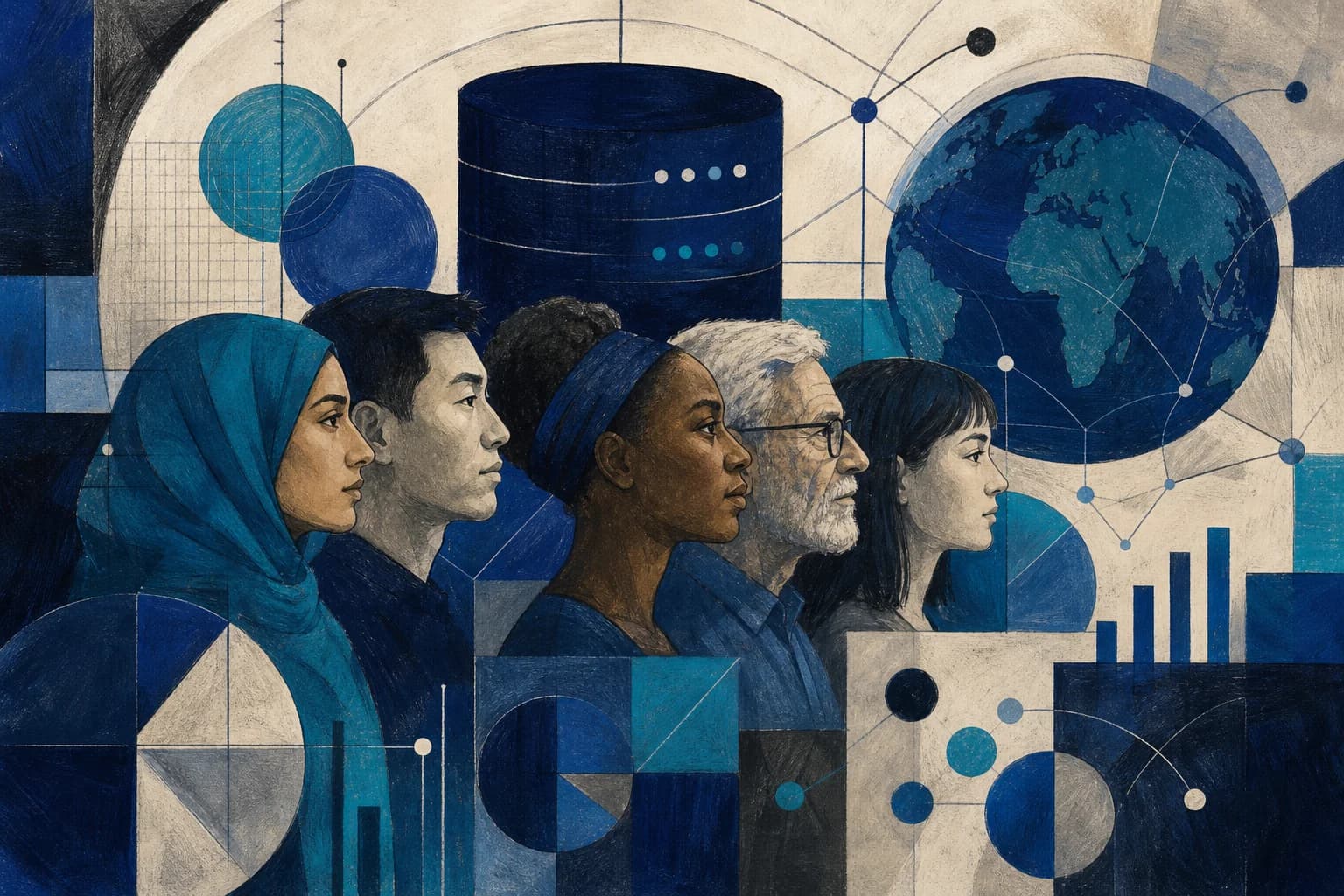
In a rapidly evolving technological landscape, the rise of multimodal models presents a groundbreaking advancement in artificial intelligence (AI). These systems are designed to understand and process multiple forms of data — text, images, audio, and even video — creating a rich tapestry of insights that are unmatched by traditional, unimodal models.
What Are Multimodal Models?
Multimodal models integrate various types of information, allowing machines to learn from and make decisions based on a combination of modalities. For instance, they can analyze sentiment in text alongside visual elements in images, providing a more comprehensive understanding of context and meaning. This ability bridges the gap between different types of data, enabling applications that are more intuitive and human-like in their interactions.
The Technology Behind Multimodal Models
At the core of multimodal AI are deep learning techniques, particularly neural networks. These networks process different data streams through specialized architectures. For instance, convolutional neural networks (CNNs) are often used for image processing, while recurrent neural networks (RNNs) are applied for sequences of data like text.
Recent innovations, such as transformers — a model architecture that revolutionized natural language processing — are also pivotal in multimodal applications. Models like OpenAI’s CLIP (Contrastive Language–Image Pre-training) and Google’s MUM (Multitask Unified Model) exemplify how integrating various data types boosts performance. By training these models on diverse datasets, researchers can create systems that understand not just one form of communication, but many, enabling more nuanced interactions.
Applications Across Industries
The potential applications for multimodal models are vast and diverse. In the healthcare sector, for instance, these models can analyze medical images, clinical notes, and patient history, allowing for more precise diagnostics and personalized treatments. Similarly, in the retail industry, combining customer reviews (text), product images, and sales data can yield insights into consumer behavior that drive better marketing strategies and inventory management.
In the realm of entertainment, multimodal AI is enhancing user experiences. Streaming platforms are beginning to employ these models to recommend content that not only aligns with the viewer’s history but also considers visual themes and even audio qualities of the media. This creates a more seamless and engaging experience for users.
Challenges and Limitations
Despite their promise, multimodal models face several challenges. The complexity of integrating diverse data types means they require significantly more computational power and data than unimodal systems. Moreover, the quality and diversity of the training data are crucial; biases present in the data can lead to skewed or harmful outputs when these models are deployed in real-world applications.
Additionally, as these models become more capable, ethical considerations surrounding their use become increasingly important. Issues related to privacy, data security, and decision-making transparency must be navigated carefully to mitigate risks.
The Future of Multimodal AI
The trajectory for multimodal models is poised for meteoric growth. As advancements in hardware and algorithms continue, we will likely see these systems become more accessible. Businesses across sectors are beginning to recognize their potential, and as investments increase, research opportunities will expand further.
Moreover, the concept of democratizing AI — making these technologies available to smaller companies and individual developers — is gaining traction. Initiatives that provide pre-trained models and user-friendly frameworks enable a broader audience to harness the power of multimodal AI, fostering innovation and creativity across industries.
A Call for Collaboration
The evolution of multimodal AI is not solely a technical journey; it requires collaboration across disciplines. Experts in AI, ethics, and domain-specific knowledge must come together to ensure that the applications developed are not only powerful but also aligned with societal values. Accommodating a wider range of perspectives will lead to responsible and beneficial outcomes for all.
Conclusion
As we stand on the brink of a new era facilitated by multimodal AI, it is clear that these models will play a transformative role in shaping the future. By unlocking the potential embedded in various forms of data, these systems can offer insights and solutions that were previously unimaginable. With careful navigation of the associated challenges and a commitment to ethical practice, the rise of multimodal models may indeed herald a new dawn for artificial intelligence — one that is more intuitive, effective, and reflective of the complex realities of human experience.