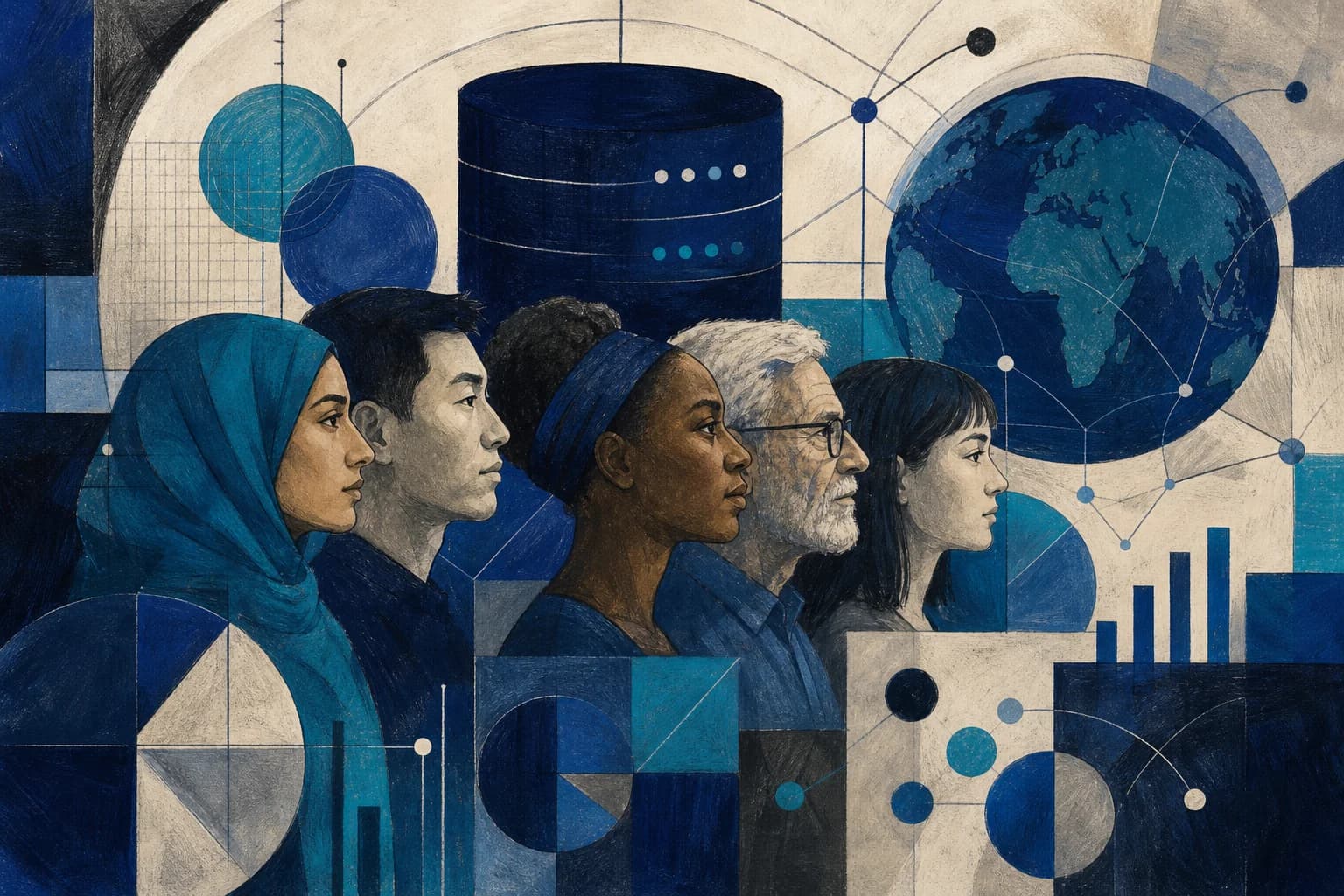
The era of artificial intelligence is upon us, moving beyond single-modal systems—like those focused solely on text or image processing—into a transformative realm known as multimodal AI. This groundbreaking technology combines multiple types of data, such as text, images, audio, and video, enabling machines to understand and generate responses that mimic human cognition more closely than ever before. The impact of this innovation is reverberating across industries, from healthcare to entertainment, revolutionizing processes and enhancing user experiences.
What is Multimodal AI?
At its core, multimodal AI refers to systems capable of processing and interpreting data from various sources and formats in unison. For example, a multimodal AI might analyze a video by taking into account both the visual elements and the audio. By leveraging deep learning frameworks such as Transformers, models can capture complex relationships and dependencies between different data modalities. The potential applications of this technology are manifold, driving efficiencies and innovations.
The Impact on Healthcare
Healthcare is one of the sectors experiencing significant transformations through multimodal AI. By integrating data from medical images, genomic sequences, and patient history, AI can provide more precise diagnoses and treatment recommendations. For instance, IBM Watson Health uses multimodal approaches to analyze clinical notes alongside medical images, enabling accurate identification of diseases that might be missed by traditional methods.
Moreover, multimodal AI can facilitate real-time decision-making in clinical settings. Consider a scenario where a doctor examines a patient: by using an AI system that interprets both clinical data (like vital signs) and imaging diagnostics (such as X-rays), the AI can produce a comprehensive analysis in moments, thus streamlining workflows in emergency departments.
Revolutionizing Retail Experiences
The retail industry is no stranger to technological advancements. Multimodal AI has emerged as a game-changer in crafting personalized customer experiences. By analyzing data from social media interactions, online behaviors, and in-store purchases, retailers can create intuitive and tailored shopping experiences that resonate with consumers.
For example, companies like Amazon employ multimodal AI to refine their recommendation engines. When a consumer browses products, the AI system analyzes past purchasing patterns, customer reviews, and even the product images themselves to recommend items that fit individual preferences. This level of personalization not only boosts sales but also fosters consumer loyalty, illustrating the profound influence multimodal AI holds in the retail sector.
Enhancing Content Creation in Media and Entertainment
The media and entertainment industries are leveraging multimodal AI to elevate content creation and consumption. From automated video editing to script generation, AI is becoming a crucial collaborator for creators. Companies like OpenAI have developed models capable of generating both narratives and visuals, allowing filmmakers and writers to explore new creative avenues.
Platforms like YouTube and Netflix are already using multimodal AI to enhance user experiences by analyzing viewing habits, comments, and thumbnails. This data informs content recommendations and helps platforms identify trending genres or themes. The ability to fuse text, imagery, and user feedback opens up opportunities for more engaging and interactive content, ensuring that audiences receive what they desire precisely and efficiently.
Challenges and Ethical Considerations
While the benefits of multimodal AI are undeniable, its rise is accompanied by a set of challenges and ethical questions. The integration of multiple data types raises concerns regarding data privacy, particularly when sensitive information is involved. Implementing robust security measures is crucial to ensure that consumer data is handled responsibly and ethically.
Moreover, the biases inherent in data can lead to skewed outputs. If a multimodal AI system is trained on biased datasets, it may perpetuate existing stereotypes and inaccuracies. Companies and developers must prioritize fair and diverse data representation to mitigate these risks.
The Future of Multimodal AI
The future of multimodal AI holds tremendous promise, with advancements continually reshaping how industries operate. As technology evolves, we may see more seamless integrations of multimodal AI in everyday life—from virtual assistants that perform complex tasks to smart homes that anticipate our needs through a combination of sensors and data inputs.
Overall, the ability to analyze and interpret diverse data types in unison will unlock innovative pathways that enhance efficiency, creativity, and user experiences across various fields. The challenge ahead lies in responsibly navigating the ethical landscapes and ensuring equitable access to this transformative technology. In doing so, we can harness the full potential of multimodal AI to create a better, more connected future.