As artificial intelligence continues to make strides in enhancing human capabilities, the emergence of multimodal transformers has redefined how machines understand and process information. These advanced models adeptly blend various data types—images, text, audio, and more—capturing the complexity of our sensory experiences.
The Evolution of AI Modalities
The traditional approaches in AI primarily focused on single modalities, wherein systems specialized in either text (natural language processing) or vision (computer vision). Though impressive, these siloed models limited the ability of machines to emulate human-like understanding effectively. Recent developments in neural network architectures have transitioned toward multimodal systems, which leverage diverse input types to create a more holistic AI.
At the core of this evolution are **transformers**, a class of neural networks introduced by Google in 2017. Originally designed for machine translation, transformers have transformed the AI landscape. Their capability to attend to different parts of the input data simultaneously allows for more enriching representations—opening doors to models that can understand context from multiple perspectives.
The Architecture of Multimodal Transformers
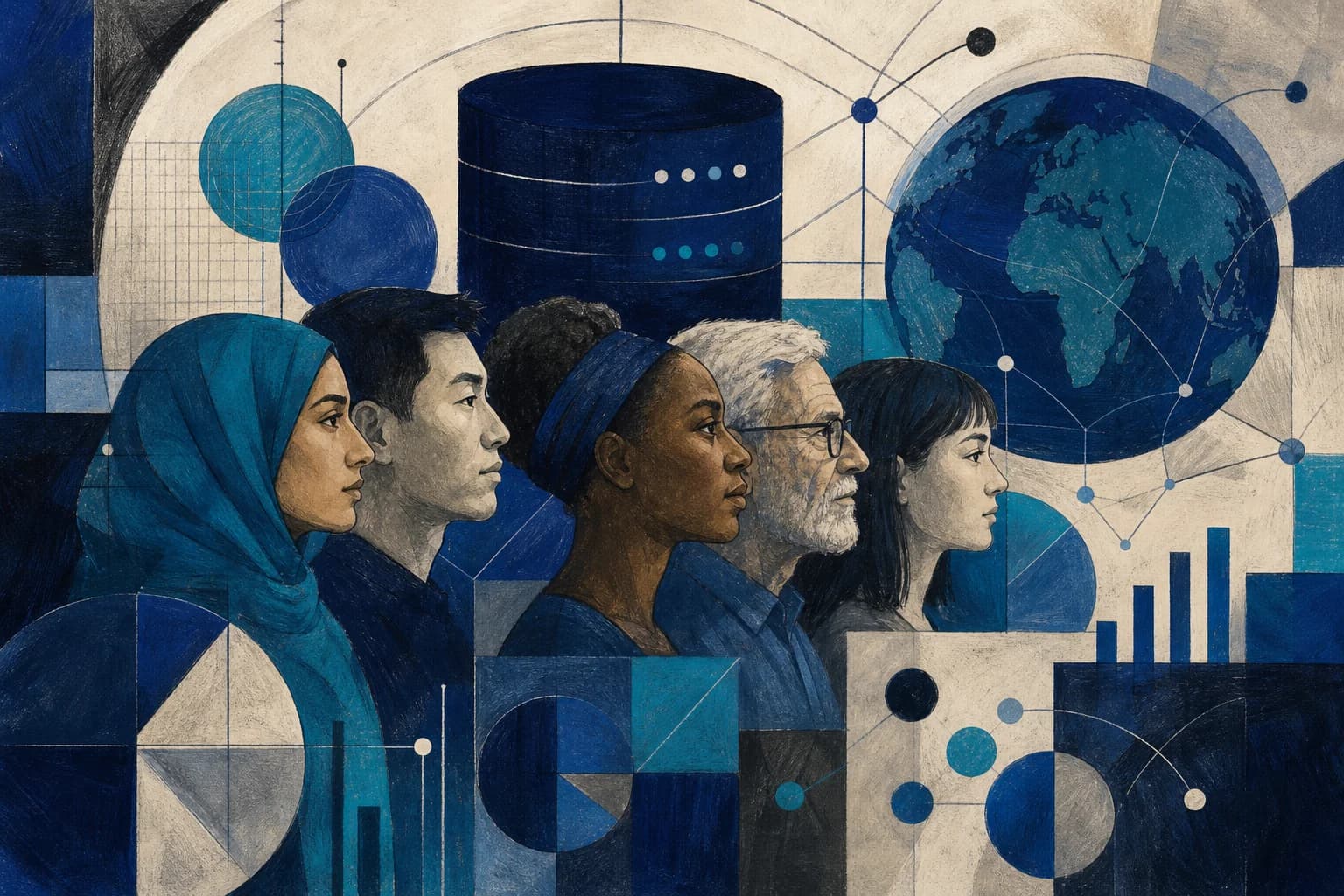
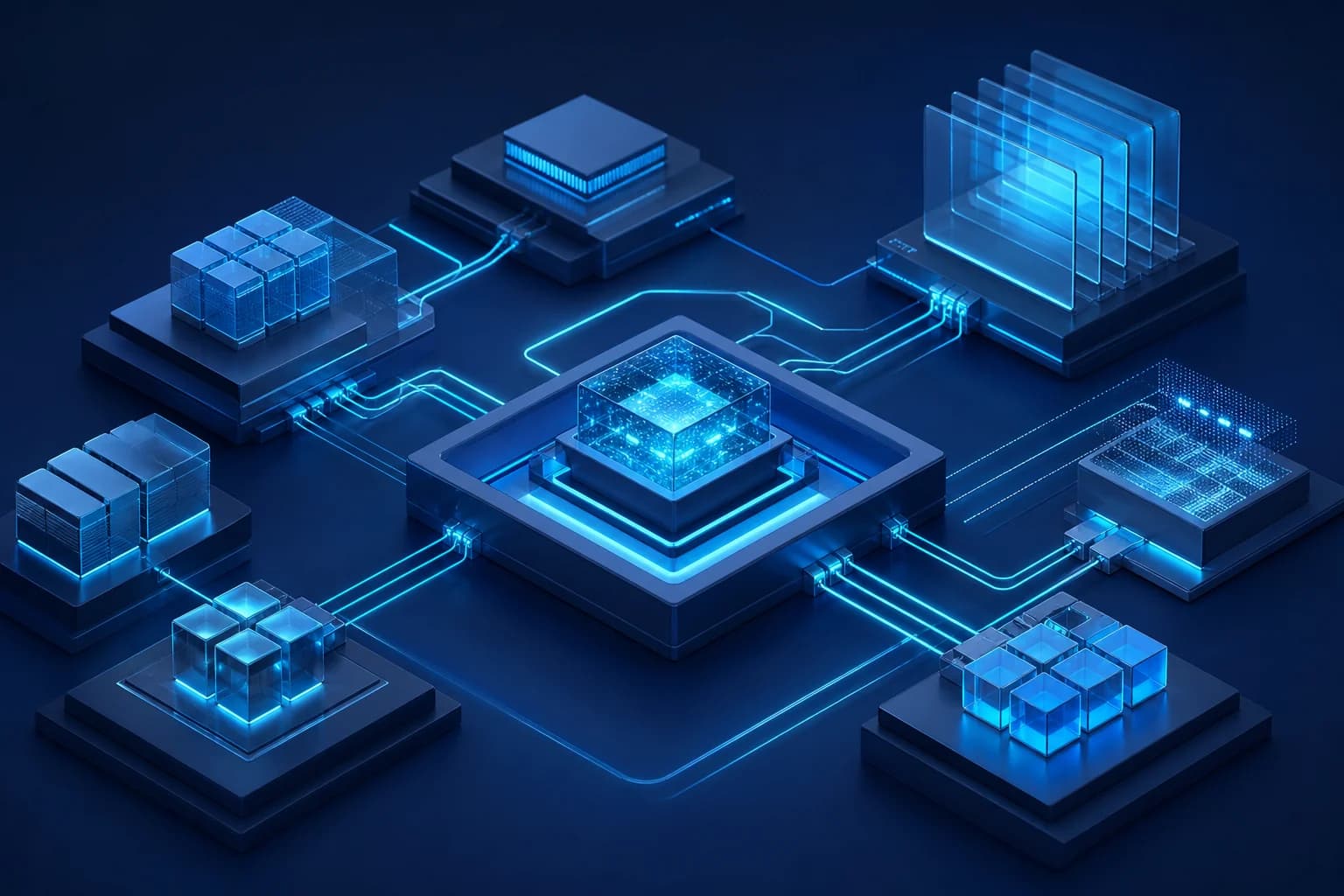
Multimodal transformers utilize a unified architecture that can process and learn from different types of data effectively. These models hinge on self-attention mechanisms, allowing them to weigh the importance of each part of the input data. Each modality—be it images, sequences of text, or audio data—can feed into the transformer, which then generates a unified representation.
“By integrating diverse data types, multimodal transformers replicate the interconnected nature of human perception.” — AI Research Scholar
The success of models such as CLIP (Contrastive Language-Image Pre-training) from OpenAI exemplifies this approach. CLIP was trained on vast amounts of images paired with text, enabling it to understand not just what is depicted in an image but also the context and nuances conveyed by accompanying descriptions.
Applications Across Industries
Multimodal transformers are igniting innovation across a plethora of sectors:
Healthcare
In healthcare, multimodal models enhance diagnostic capabilities by integrating patient records (text), imaging (MRI, X-ray), and other modalities like genomics. The ability to glean insights from these varied data sources equips physicians with comprehensive analyses, ultimately leading to better treatment decisions.
Entertainment
The entertainment industry has also harnessed the potential of multimodal transformers. For example, content generation can take input from scripts (text) and reference images, enabling the creation of visual concepts for new film stories or video games.
Education
In the realm of education technology, these models can personalize learning experiences by analyzing student interactions (text, video, and live feedback). By combining these modalities, platforms can adjust instructional materials in real-time to cater to the learning pace and style of individual students.
Challenges and Considerations
Despite the transformative potential, deploying multimodal transformers raises several challenges. One primary concern involves the quality and biases present in training data. Since models learn from the input they receive, biased data can lead to skewed outputs, echoing and amplifying existing stereotypes.
Moreover, the computational requirements for training and deploying multimodal transformers are significant. These models often necessitate vast datasets and substantial computational resources, making access difficult for smaller organizations or developing regions.
“As we move forward, we must prioritize ethical considerations to ensure fair and equitable AI systems.” — AI Ethicist
The Future of Multimodal AI
Looking ahead, the future of multimodal transformers appears bright. As research progresses, we may see models that require less data for training while maintaining high performance—a development that could democratize access to these advanced AI systems. Moreover, interdisciplinary collaborations will likely yield even more innovative applications spanning various fields.
Additionally, the integration of multimodal transformers with advances in reinforcement learning could create AI systems capable of more autonomous decision-making, mimicking human-like adaptability in unpredictable environments.
Conclusion
Multimodal transformers stand as a testament to the rapid advancements in artificial intelligence. By unifying diverse modalities, they pave the way for breakthroughs that were previously unimaginable. As we embrace this new era, it is crucial to approach these technologies with mindful consideration of their implications, fostering a future where AI truly augments human capability, creativity, and understanding.