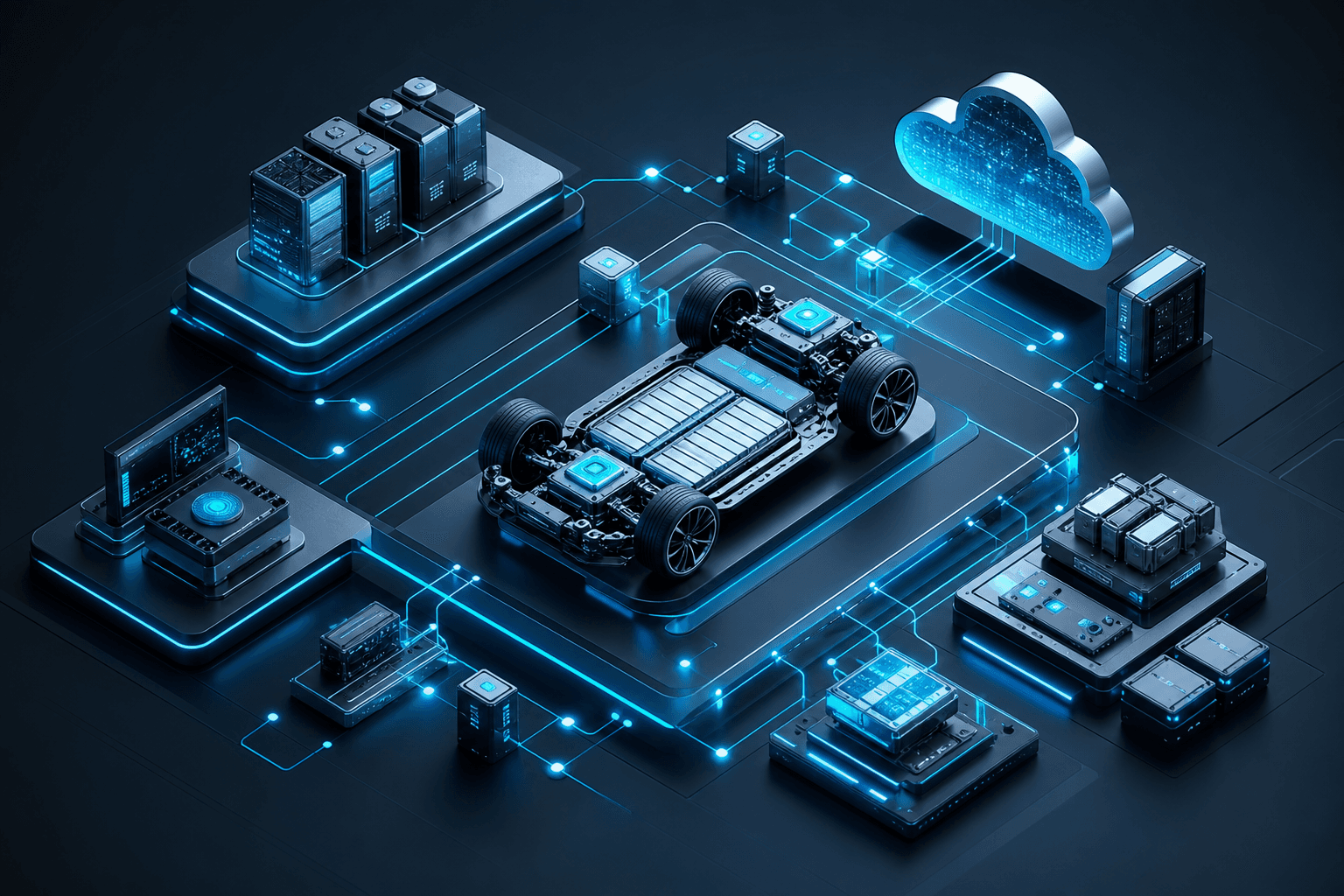
Taiwanese technology firms are undergoing a transition from traditional component manufacturing to the development of integrated, software-defined mobility architectures. This shift, observed during the 2026 Taipei 360° Mobility Mega Show, highlights a technical evolution toward embedding artificial intelligence and cloud-based diagnostic frameworks directly into automotive supply chains.
Carota is currently scaling its over-the-air update infrastructure to manage complex electronic control unit configurations across diverse vehicle fleets. By deploying cloud-based management platforms, the company enables remote diagnostic capabilities that reduce the necessity for physical maintenance interventions. Mike Su, a senior project manager at Carota, emphasizes that these software ecosystems are now extending into industrial robotics and physical AI applications requiring frequent, secure firmware updates.
Teltonika Telematics is simultaneously advancing its fleet management capabilities through high-voltage IoT integration and raw CAN data processing. The firm is expanding its telematics platform to support a broader range of electrified assets, including heavy industrial machinery and e-mobility units. Valdemar Markovski, head of sales for the South Caucasus, Central and East Asia regions at Teltonika, notes that the company prioritizes sophisticated, high-performance data solutions to differentiate its offerings in competitive global markets.
YAJIN is addressing the physical safety challenges of electric vehicle adoption through the implementation of AI-driven battery maintenance workstations. Their platform utilizes thermal imaging and automated fire isolation protocols to standardize the teardown process for high-voltage battery packs. This approach mitigates the risks associated with thermal runaway while providing a structured methodology for aftermarket lifecycle management.
Eagle Eyes Traffic Ind. Co. is scaling its automotive lighting portfolio by incorporating advanced optical features into its manufacturing processes. The company maintains a high-volume output of over 10,000 distinct products, focusing on CAPA-certified components that adhere to stringent international safety standards. These lighting systems are increasingly integrated with smart mobility features, such as sequential indicators, to meet the evolving requirements of global automotive OEMs.
Tatung Company is applying its legacy expertise in motor manufacturing to the development of high-efficiency electric vehicle powertrains. By utilizing hairpin winding technology, the firm has engineered direct-drive motors that achieve 97% efficiency without the requirement for mechanical gearboxes. Arran Li, a deputy project manager at Tatung, indicates that these systems are designed for durability in commercial transit and logistics applications.
The integration of these technologies reflects a trend toward vertical consolidation within the automotive sector, where hardware durability is increasingly coupled with software-defined intelligence. By synthesizing these engineering disciplines, firms are reducing the latency between vehicle design and operational maintenance. This convergence is essential for the transition to large-scale electrification and autonomous fleet management, as manufacturers seek to optimize energy consumption and safety protocols.
The reliance on AI-driven diagnostics and predictive maintenance frameworks indicates that future mobility success will be determined by data throughput and software reliability. Stakeholders are increasingly prioritizing systems that offer real-time monitoring and secure, remote update capabilities to ensure operational longevity. These developments signal a departure from static manufacturing models toward dynamic, software-centric vehicle lifecycles that require continuous data ingestion.
The shift toward high-voltage IoT and AI-monitored battery systems suggests that the next phase of automotive engineering will focus heavily on data-intensive safety monitoring. As these firms integrate advanced sensors and thermal imaging into their product lines, the ability to process and act upon real-time data will become a primary competitive differentiator. This technical trajectory underscores the necessity for robust, scalable software architectures that can handle the complexities of modern, electrified transport systems.
Future market performance will likely depend on the ability of these firms to deploy localized support structures in emerging hubs like India and North America. Ongoing monitoring of these regional expansions will provide insight into how hardware-software hybrids influence global supply chain resilience and vehicle safety standards.