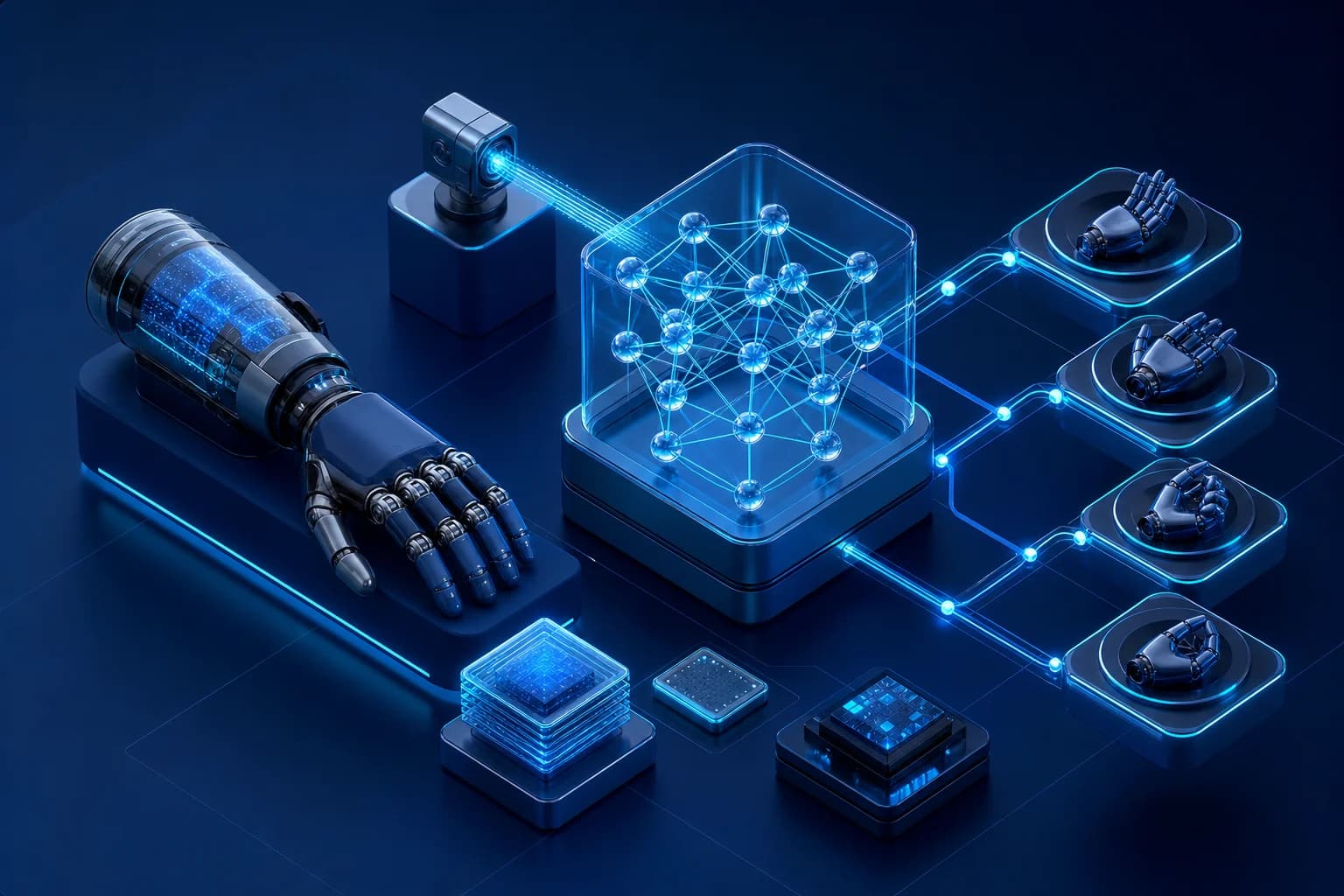
In recent years, facial recognition technology has surged into the public consciousness, heralded as a revolutionary tool that can enhance security and streamline operations across industries. The technology, which uses algorithms to identify and verify individuals based on their facial features, is now commonplace in everything from social media tagging systems to law enforcement databases. However, as its adoption becomes ubiquitous, the ethical implications and the need for regulation have come under intense scrutiny.
A Technological Evolution
The first iterations of facial recognition technology date back to the 1960s when Woodrow W. Bledsoe began developing methods to identify human faces. Since then, advancements in artificial intelligence and machine learning have dramatically improved the accuracy and efficiency of these systems. Modern algorithms can analyze thousands of facial points within seconds, making identification processes more efficient than ever before.
Projects such as the U.S. National Institute of Standards and Technology’s (NIST) Face Recognition Vendor Test have played a crucial role in assessing and optimizing these technologies. According to a 2022 report by NIST, the latest algorithms boast an accuracy rate of over 99%, an impressive leap from the earlier generations. These advancements have led to massive investments, with global spending expected to reach $7.76 billion by 2029, according to a report from Fortune Business Insights.
Applications in Society
Facial recognition technology is being employed in various contexts, including retail, banking, and transportation. Airports utilize it for boarding processes, while retailers aim to enhance customer experiences through personalized interactions. Law enforcement agencies argue that it acts as a force multiplier, helping them identify suspects in real-time.
Yet, the technology does not come without risks. In a 2020 survey conducted by the Pew Research Center, 56% of Americans expressed concern about facial recognition surveillance. Central to this unease is the potential for misuse, bias, and loss of privacy. Critics argue that facial recognition can disproportionately affect marginalized communities, as studies have shown higher error rates in identifying individuals with darker skin tones, females, and younger people.
Privacy Concerns and Ethical Implications
The primary concern surrounding facial recognition technology is privacy intrusion. The capability to identify and track individuals without their consent raises fundamental questions about surveillance and civil liberties. A study by the American Civil Liberties Union (ACLU) found that more than 60% of the top U.S. cities use facial recognition technology, often without adequate public knowledge or oversight.
“The potential for abuse is vast,” says Clare Garvie, a senior associate at the Georgetown Law Center on Privacy and Technology. “You have this unprecedented ability to monitor people in public and private spaces, which is terrifying.” The chilling effect on free expression and assembly should not be underestimated, especially in an era where social movements rely on anonymity and collective action.
Regulatory Landscape
As the public grapples with these complex issues, lawmakers are beginning to take action. Various cities and states across the U.S. have enacted legislation to curb or regulate the use of facial recognition technology. In 2019, San Francisco became the first city to ban the use of facial recognition by city agencies, setting a precedent that has led to similar measures in places like Boston and New York.
However, the regulatory landscape is far from unified. At the federal level, the U.S. has yet to introduce comprehensive legislation governing facial recognition technology. While the Biden administration has signaled a willingness to address the issue, partisanship complicates the path forward. In the meantime, legal and ethical frameworks remain murky, leaving tech companies and law enforcement agencies to navigate uncharted waters.
The Call for Transparency
Transparency is emerging as a crucial component in the dialogue surrounding facial recognition technology. Advocates argue that companies developing these systems should be more open about their algorithms and the datasets used to train them. Without accountability, it can be challenging to address biases and inaccuracies that can have severe implications for individuals and communities.
Initiatives like the Algorithmic Justice League aim to hold tech companies accountable and ensure that facial recognition technology benefits society at large. However, challenges remain, and the call for robust oversight continues to grow louder, echoing across industries and government arenas.
The Road Ahead
Facial recognition technology is here to stay, and its potential applications are vast. From combating crime to enhancing customer experiences, the promise is enticing. However, as society grapples with these advancements, it must also confront the ethical dilemmas they present. Establishing a balance between innovation and individual rights is essential to ensuring that the technology serves the public good rather than eroding privacy and civil liberties.
The future of facial recognition technology will depend on collective action—citizens, lawmakers, and corporations working together to advocate for transparency and responsibility. As we venture deeper into this new age of surveillance, safeguarding our rights and freedoms will be more critical than ever.