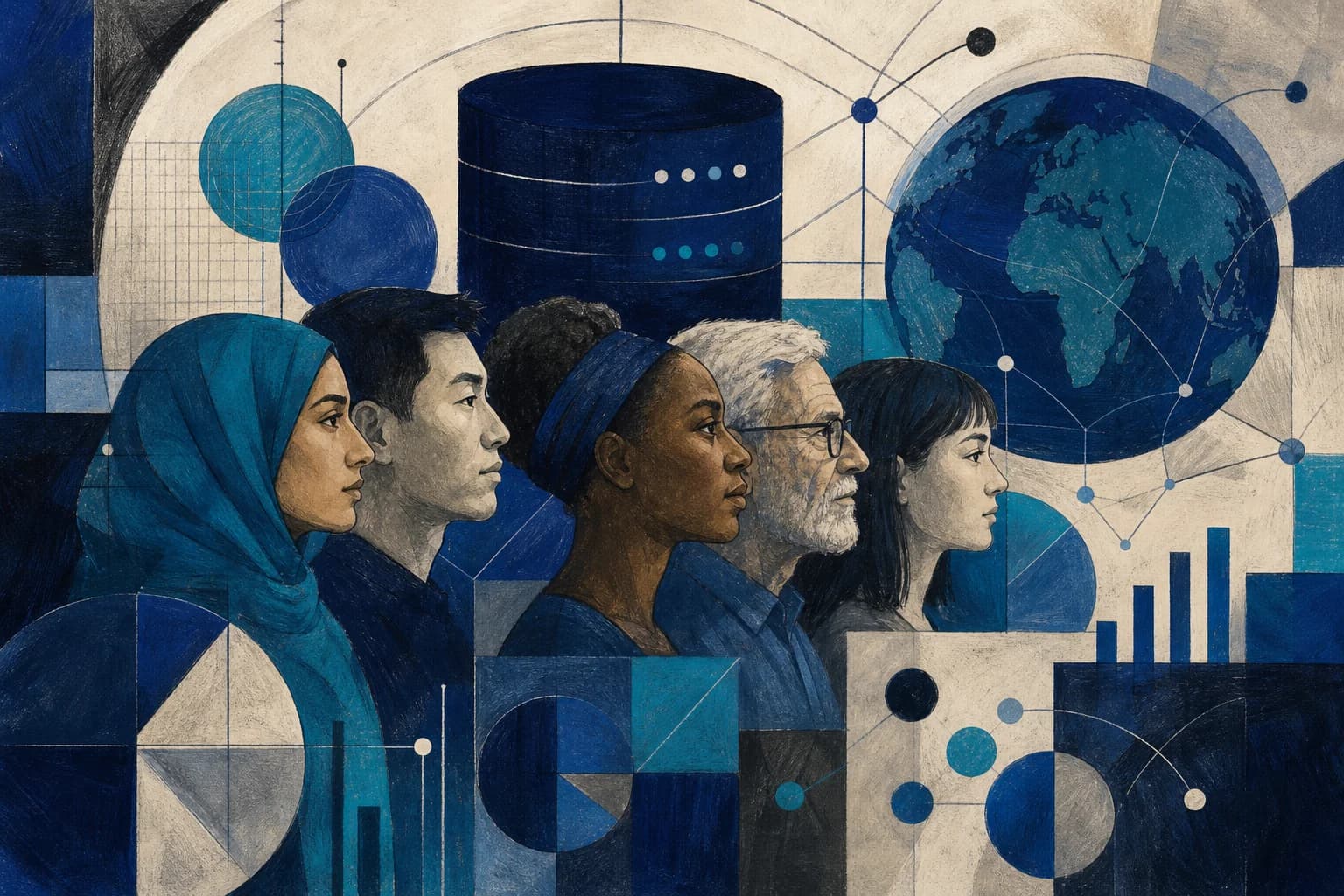
In a world increasingly dominated by artificial intelligence (AI), vision-language models are leading innovation into uncharted territories, transcending traditional confines of machine learning. These advanced systems not only understand text but also interpret visual information, bridging the gap between language and perception. This shift in capability is transforming industries, redefining user experiences, and expanding the horizons of what machines can achieve.
The Convergence of Language and Vision
At the core of this transformation lies the concept of vision-language models (VLMs), which combine natural language processing (NLP) with computer vision. Unlike single-modal models that handle either text or images in isolation, VLMs leverage the strengths of both modalities. Prominent examples include CLIP (Contrastive Language-Image Pre-training) and DALL-E, both developed by OpenAI. These models have impacted crucial areas such as image classification, visual question answering, and even creating art based on textual descriptions.
The architecture of these models typically involves connecting visual and textual representations in a way that allows them to interact. For instance, when given an image and a descriptive sentence, a VLM can ascertain the relationship between the two, enhancing its understanding of context and semantics. This capability represents a significant leap forward in AI, leading to more nuanced interactions with technology.
Applications Across Industries
The implications of VLMs extend far beyond academic research. In the realm of e-commerce, companies are utilizing these models for enriched product search experiences. Imagine a user searching for “red sneakers” and being able to view a variety of styles that resonate with this search, even if they don’t contain the exact keywords. This not only improves the shopping experience but also potentially boosts sales as consumers find products they may not have otherwise considered.
Healthcare is another field benefiting immensely from vision-language technologies. VLMs can help in analyzing medical images while also interpreting patient records, offering a more holistic view of a patient’s condition. For example, a radiologist could receive AI-generated insights that combine imaging data with relevant medical history, streamlining diagnostics and treatment planning.
The creative sector is not left behind; artists and designers now have tools like DALL-E at their disposal, enabling them to visualize concepts in ways that were once the domain of human creativity. This ranges from generating artwork based on simple prompts to creating professional-grade images in various styles, exemplifying an intriguing collaboration between human and machine intelligence.
Ethical Considerations and Challenges
While the potential of VLMs is awe-inspiring, it also raises critical ethical questions. The capabilities of these models can easily be misused; for example, generating deepfakes or misleading visuals. As these tools become more available, the potential for abuse increases. Therefore, the development of regulations governing the use of AI technologies is paramount.
Moreover, there is an ongoing debate regarding bias in AI. Vision-language models, like other AI systems, can perpetuate or even amplify societal biases found in their training data. If a model is trained on biased datasets, the responses may reflect those biases, potentially leading to harmful stereotypes or exclusion of marginalized communities. Ensuring fairness and accountability in AI models is not just a technical challenge but a profound societal necessity.
The Future Landscape of AI
As we look ahead, the integration of vision and language capabilities will likely redefine not only how we interact with machines but also the very fabric of our society. The fusion of these modalities invites the development of new AI applications that can understand and engage in context-rich interactions. This could pave the way for virtual assistants that don’t just process commands but understand user intent in a much deeper sense.
Looking into the next decade, we may witness an evolution where VLMs become integrated into daily life. Smart homes equipped with these models might interpret our routines and preferences, adjusting environments accordingly. Educational platforms could leverage this technology to create immersive learning experiences, where students engage with visual materials and text in a dynamic, interconnected manner.
The Path Forward
Innovation in vision-language models signals an exciting frontier, but it’s essential to navigate this landscape responsibly. Collaboration among researchers, policymakers, and industry leaders will be the key to shaping guidelines that ensure ethical use while maximizing the societal benefits of these technologies.
Ultimately, as we stride into this future, the focus should not only be on how these models can enhance task performance but also on ensuring they contribute positively to human well-being. In a world where AI continues to evolve, striking a balance between technological advancement and ethical considerations may well be humanity’s most critical challenge.
Beyond the bits and bytes, the intersection of language and vision suggests that we are not merely building smarter machines; we are, in ways both profound and nuanced, augmenting our understanding of what it means to be intelligent.