The current state of artificial intelligence, for all its dazzling capabilities, often resembles a sophisticated patchwork.
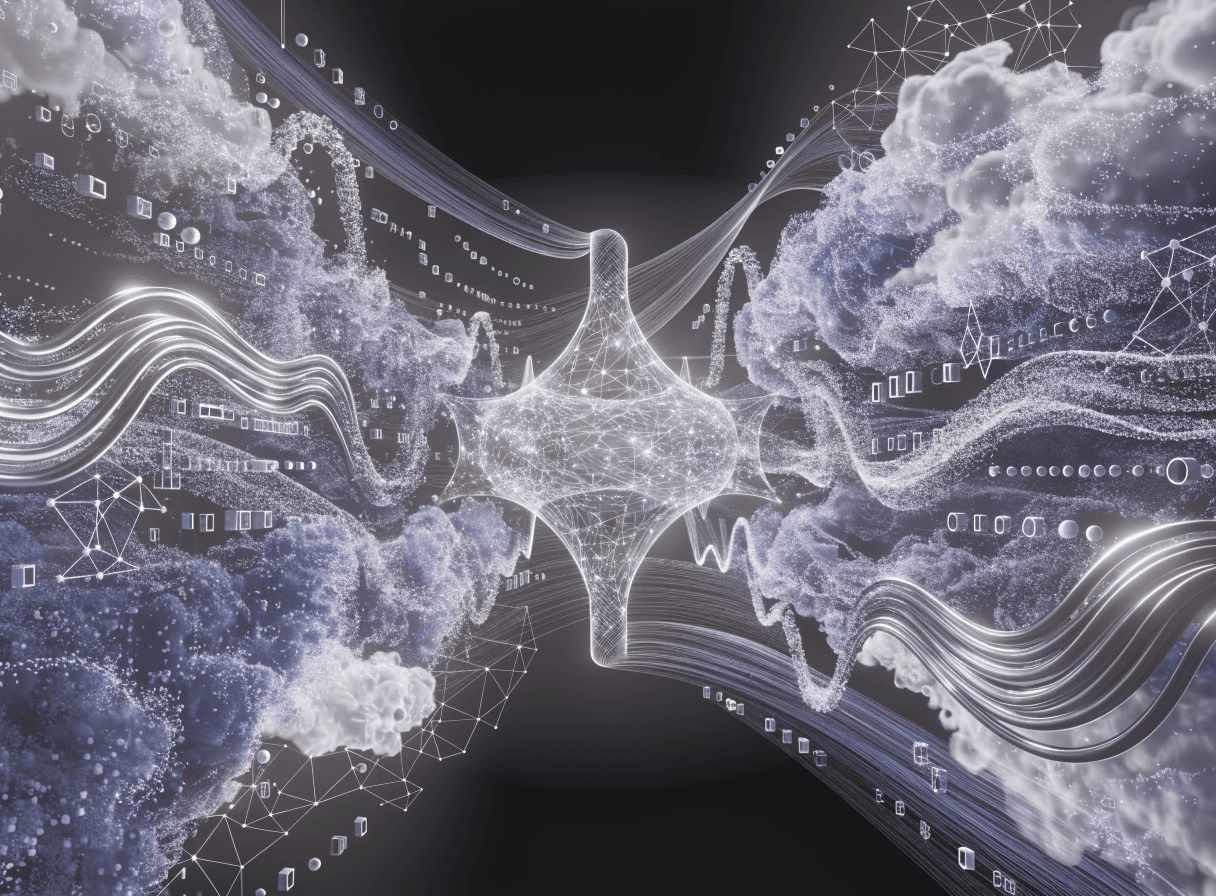
AI agents, touted as the next frontier in automation and intelligent interaction, frequently operate by passing data through a series of specialized, siloed models—one for seeing, another for hearing, a third for understanding language.
This sequential processing introduces friction, latency, and context fragmentation, akin to a multi-lingual diplomat needing a separate translator for every nuance of a conversation.
It’s a bottleneck that has limited the seamless, real-time intelligence promised by truly autonomous agents.
But a new development from NVIDIA, unveiled this week, signals a fundamental shift, consolidating these disparate senses into a single, unified cognitive engine.
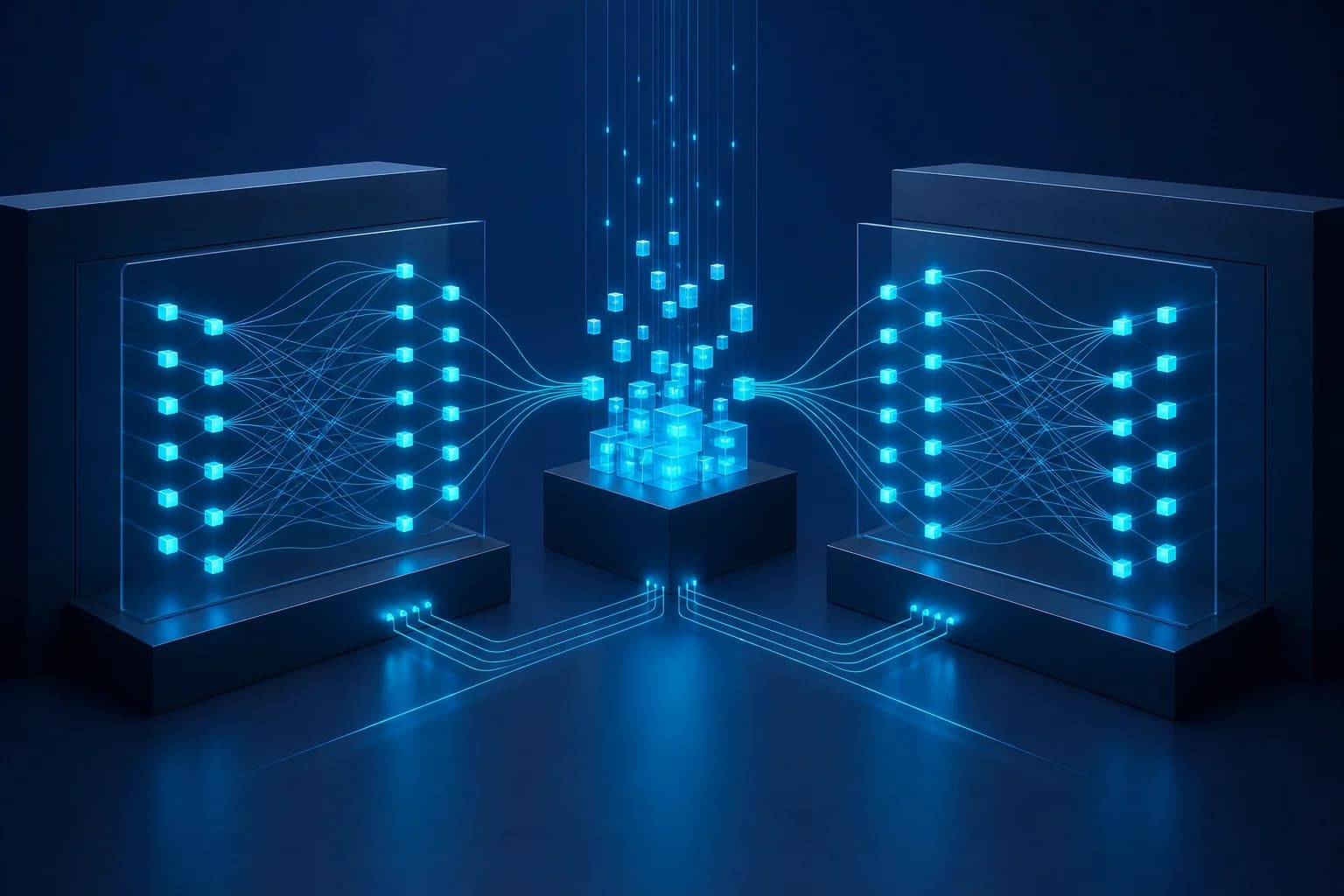
NVIDIA’s Nemotron 3 Nano Omni model represents a leap forward by integrating vision, audio, and language capabilities into one cohesive system.
This omnimodal reasoning model is not merely a combination of existing functionalities; it’s a re-architecting of how AI agents perceive and interact with the world.
Launched with open weights, datasets, and training techniques, it offers enterprises and developers an unprecedented level of control and transparency, crucial for navigating complex regulatory landscapes and customizing AI for highly specific, sensitive applications.
The promise is clear: faster, smarter responses with advanced reasoning across video, audio, image, and text, all while setting new benchmarks for efficiency and accuracy.
The technical brilliance lies in its design.
Traditional agentic systems suffer from repeated inference passes, fragmented context, and escalating costs when trying to integrate multiple modalities.
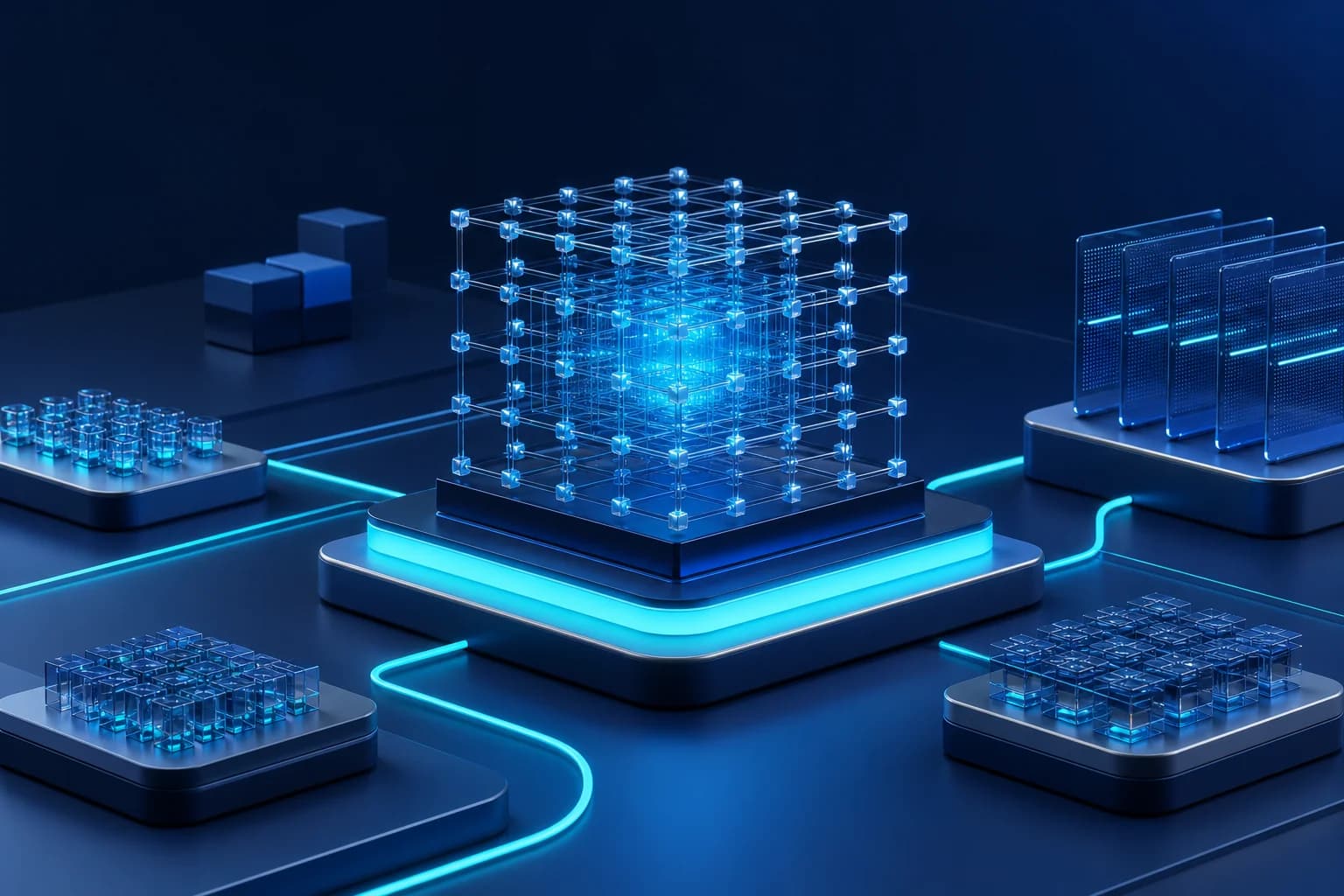
Nemotron 3 Nano Omni circumvents these issues by embedding vision and audio encoders directly within its 30B-A3B, hybrid mixture-of-experts architecture.
This eliminates the need for separate perception models, driving inference efficiency at an unprecedented scale.
The result is a system capable of achieving nine times higher throughput than other open omni models at the same interactivity levels.
This translates directly to lower operational costs, enhanced scalability, and a significant improvement in responsiveness and quality—factors that are critical for enterprises deploying AI in high-stakes environments.
Consider the practical implications.
In customer support, an AI agent might currently struggle to connect a screen recording of a user issue with an uploaded call audio and accompanying data logs.
Each piece of information is processed by a different model, losing valuable context in transit.
With Nemotron 3 Nano Omni, the agent can maintain a unified audio-video context, tying together what was said, shown, and documented into a single, coherent reasoning stream.
This isn’t just about speed; it’s about depth of understanding, allowing the agent to grasp the full narrative of a customer’s problem without the cognitive burden of synthesizing fragmented inputs.
The impact extends across a myriad of agentic workflows.
For computer use agents, Nemotron 3 Nano Omni powers the perception loop, enabling them to navigate graphical user interfaces, reason over on-screen content, and understand interface states over time with remarkable fidelity.
H Company, an early adopter, has leveraged this capability to develop computer usage agents that can interpret full HD screen recordings (1920×1080 pixels)—a task previously impractical due to computational demands.
Gautier Cloix, CEO of H Company, underscores this as a “fundamental shift in how our agents perceive and interact with digital environments in real time,” rather than a mere speed boost.
In document intelligence, Nemotron 3 Nano Omni excels at interpreting complex inputs, from PDFs and spreadsheets to charts, tables, and mixed-media screenshots.
It allows agents to reason coherently across visual structure and text content, which is indispensable for enterprise analysis, compliance workflows, and legal discovery.
Imagine a finance agent sifting through hundreds of quarterly reports, parsing visual data from charts while cross-referencing textual disclosures and even voice notes from executive meetings.
The unified model ensures no data point is an island, fostering a holistic understanding crucial for accurate financial assessment.
NVIDIA’s strategy with Nemotron 3 Nano Omni also reflects a broader commitment to an open AI ecosystem.
By releasing the model with open weights and training techniques, NVIDIA empowers organizations with the full transparency and control necessary to customize and deploy the model in environments that meet stringent regulatory, sovereignty, or data localization requirements.
This flexibility, combined with deployment options ranging from local NVIDIA Jetson hardware to data center and cloud environments, makes advanced multimodal AI accessible and adaptable.
The Nemotron 3 family has already seen over 50 million downloads in the past year, indicating a strong appetite for these foundational models, and Omni’s introduction significantly expands their utility into truly agentic domains.
Companies like Aible, Applied Scientific Intelligence (ASI), Eka Care, Foxconn, Palantir, and Pyler are already integrating Nemotron 3 Nano Omni, with giants such as Dell Technologies, Docusign, Infosys, and Oracle evaluating its potential.
This broad adoption signals an industry-wide recognition of the need to move beyond fragmented AI.
It represents a paradigm shift where AI agents are no longer just tools performing specific functions, but rather increasingly intelligent entities capable of understanding and interacting with the world in a more human-like, multi-sensory way.
The implications for the future of AI are profound.
As agentic systems become more sophisticated and ubiquitous, their ability to perceive, reason, and act across diverse modalities in real-time will be paramount.
Nemotron 3 Nano Omni lays a critical foundation for the development of next-generation AI agents that can seamlessly navigate complex digital and physical environments, providing context-aware assistance, automating intricate processes, and ultimately redefining the boundaries of human-computer interaction.
It heralds an era where the AI agent is not merely a processor of data, but a truly intelligent collaborator, capable of intuitive understanding that transcends the limitations of isolated senses.
The journey towards truly unified artificial general intelligence has taken a significant step forward.