Multimodal AIai agents
Google Integrates Real-Time Visual Synthesis into Gemini 3.8 Live Agents
Google has expanded its Gemini 3.8 architecture to include multimodal visual avatars for enterprise-grade conversational agents.
4 min read
Google has expanded its Gemini 3.8 architecture to include multimodal visual avatars for enterprise-grade conversational agents.

Google has expanded the capabilities of its Gemini 3.8 Live architecture by integrating a real-time visual synthesis layer designed for enterprise-grade conversational agents. As reported by Engadget, this development marks a significant shift from purely auditory dialogue models to systems capable of maintaining a persistent visual persona during complex, multimodal interactions.
The underlying framework utilizes the recently released Gemini 3.8 Live and Live Extended Thinking models to facilitate low-latency voice processing. By coupling these dialogue models with a dedicated visual rendering engine, the system achieves precise lip-syncing and dynamic facial expressions that mirror the temporal flow of natural speech. The architecture is specifically engineered to support fluid turn-taking, a significant challenge in maintaining coherence across both acoustic and visual modalities.
Technical implementation relies on the model’s capacity to trigger asynchronous tool calls while simultaneously maintaining an active visual presence. This background processing allows the agent to fetch external data or execute logic-heavy tasks without interrupting the user’s perception of a continuous, responsive interaction. The visual output is generated through a library of preset personas or via customized models derived from high-quality reference imagery.
Google has implemented SynthID watermarking across all generated visual assets to ensure provenance and maintain transparency in AI-mediated content. This integration of digital watermarking is a core component of the enterprise deployment strategy, aimed at mitigating risks associated with synthetic identity generation. The system is currently restricted to enterprise allowlisting, which mandates strict adherence to identity-protection protocols.
The model architecture prioritizes the preservation of brand styling and character identity through fine-tuned visual mapping. By leveraging high-fidelity reference images, developers can constrain the generative output to specific visual parameters, ensuring consistency across diverse deployment environments. This approach addresses the technical requirement for stable, production-ready visual agents in professional settings.
The system also incorporates advanced reasoning capabilities that allow the avatar to manage stateful data during a conversation. By maintaining a persistent context window, the model can recall previous interactions while simultaneously rendering the appropriate facial cues. This synchronization between the reasoning engine and the visual frontend is essential for creating a cohesive user experience in high-stakes service environments.
Research into multimodal dialogue systems suggests that visual cues significantly enhance user engagement and information retention in automated customer support scenarios. The Gemini 3.8 Live Avatar system attempts to quantify this impact by providing a unified interface for both verbal and non-verbal communication. The system’s ability to process visual and auditory data in parallel allows for a more nuanced interpretation of user intent.
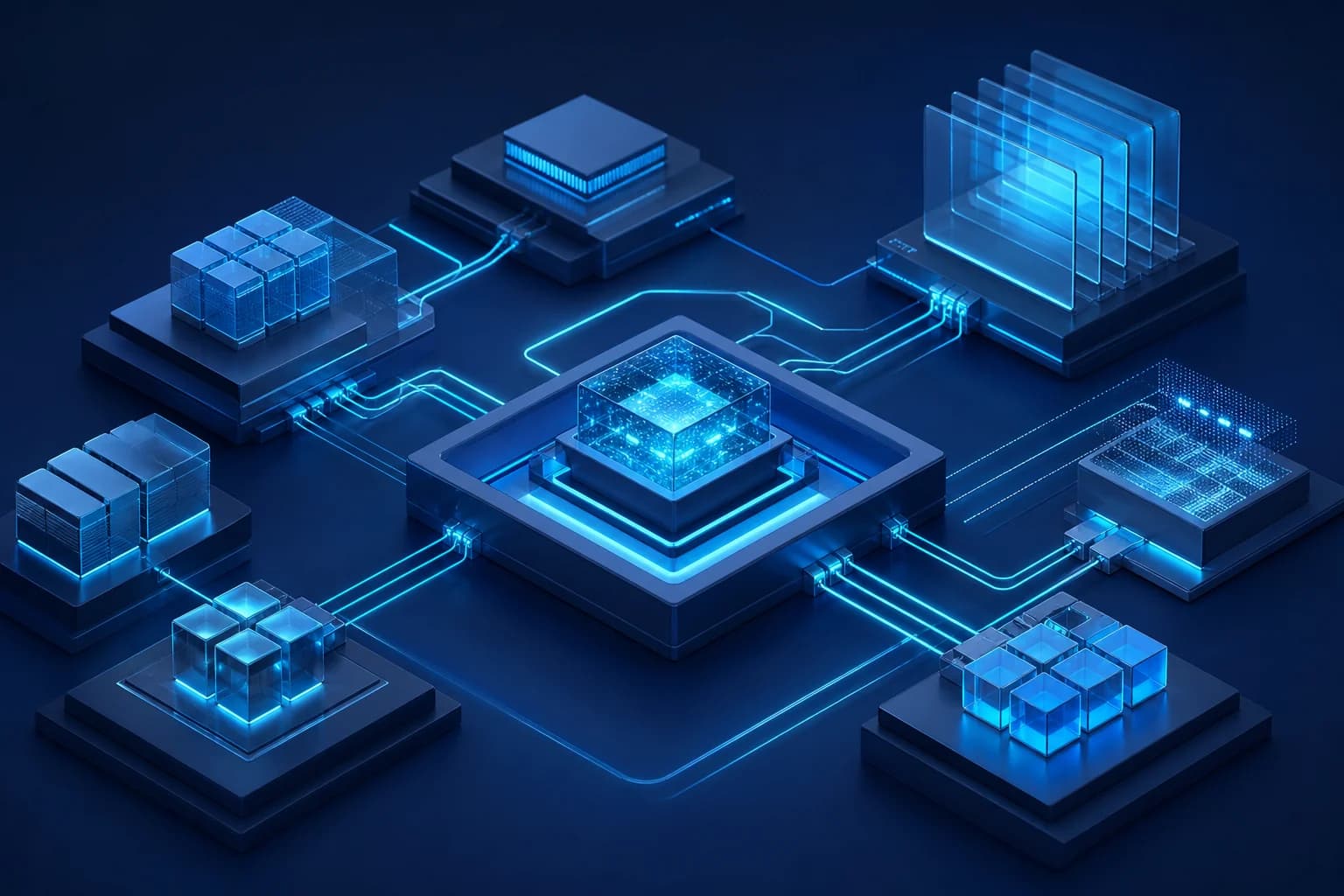
The integration of visual personas into large-scale language models reflects a broader trend toward fully embodied conversational interfaces. By offloading the rendering of facial expressions to a dedicated visual synthesis module, Google minimizes the computational overhead on the primary reasoning engine. This modular approach ensures that the core Gemini 3.8 model remains focused on high-level reasoning and data retrieval tasks.
Industry analysts note that the shift toward visual agents necessitates a re-evaluation of current interaction design standards. As these models become more prevalent in enterprise workflows, the focus will likely shift toward optimizing the latency between tool execution and visual response updates. The scalability of this multimodal architecture remains a critical area of investigation for large-scale production deployments.
Future deployments will likely focus on optimizing the latency between tool execution and visual response updates. Researchers are expected to monitor the impact of these visual agents on system throughput and user interaction metrics within enterprise environments. The scalability of this multimodal architecture remains a critical area of investigation for large-scale production deployments.
Ongoing refinements to the Gemini 3.8 ecosystem will likely address the synchronization between complex reasoning chains and real-time visual output. Stakeholders should anticipate further updates regarding the integration of additional sensory modalities into the Live Avatar framework. The long-term efficacy of these agents will depend on the model’s ability to maintain high-fidelity visual consistency under varying computational loads.